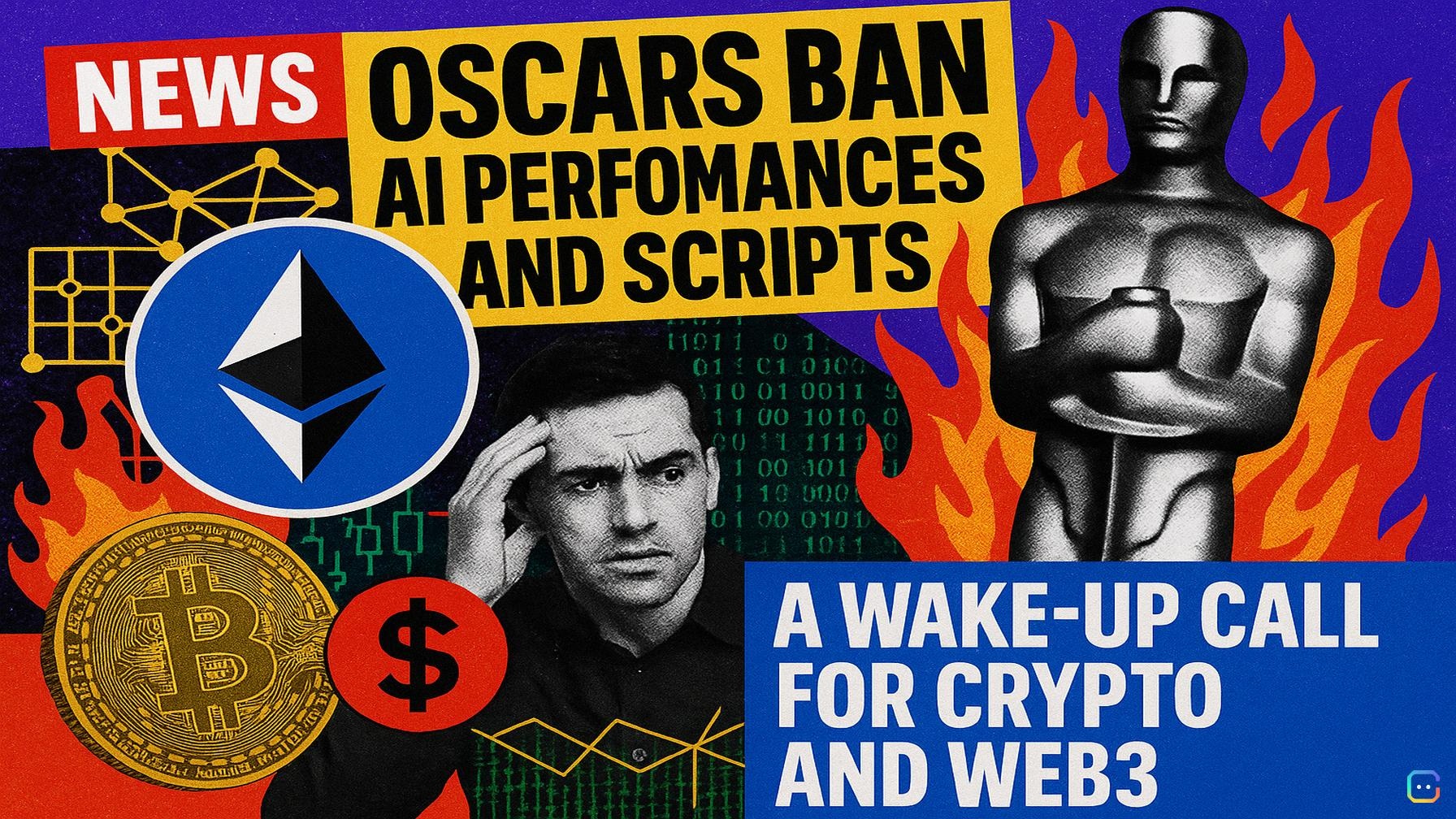
The Academy of Motion Picture Arts and Sciences has moved to draw a clear line in the sand on AI: films that rely on AI-generated performances or screenplays will be ineligible for Oscars, the Hollywood Reporter says.
What changed
- Acting awards will be reserved for performances actually carried out by human actors. Those performances must be credited in a film’s official billing and completed with the actor’s consent.
- Writing awards will be limited to screenplays authored by humans.
- The Academy can ask productions to disclose how AI was used, including the degree of human involvement, and has the discretion to review edge cases.
Why this matters
The decision tightens the Academy’s stance on generative AI after a more neutral set of rules issued in April, which allowed AI tools in filmmaking but emphasized human creative control when judging achievements. The new guidance makes that emphasis explicit: human creativity and consent are the gatekeepers for awards eligibility, and digital recreations or AI-generated “performances” won’t qualify.
Hollywood context
AI tools are already reshaping production workflows and public perception. Viral deepfakes — like an AI-generated Tom Cruise video — and reports of filmmakers using AI to recreate actor likenesses (including a recent controversy around the use of an actor’s likeness in the film As Deep as the Grave) have driven industry scrutiny. Performers’ groups such as SAG-AFTRA warn that unregulated AI could displace jobs and exploit existing work without permission. In response, actors and musicians are seeking legal protections and even trademarking likenesses.
Mixed reactions from talent
Some performers have pushed back; others are experimenting with licensed, controlled uses of the tech. Matthew McConaughey and Michael Caine have worked with companies such as ElevenLabs to create authorized voice replicas. Comedian and actor T.J. Miller told Decrypt he isn’t worried about AI taking his job: “I’m not super scared that AI can take my job… As far as hosting and being very funny and getting the energy up, I am not afraid of losing.”
What this means beyond film
For creators, studios and technologists — including those in crypto and Web3 communities tracking digital ownership and provenance — the Academy’s move highlights growing demand for auditable consent and clear authorship rules. That opens technical, legal and business questions around how AI-generated assets are disclosed, licensed and monetized going forward.
Read more AI-generated news on: undefined/news