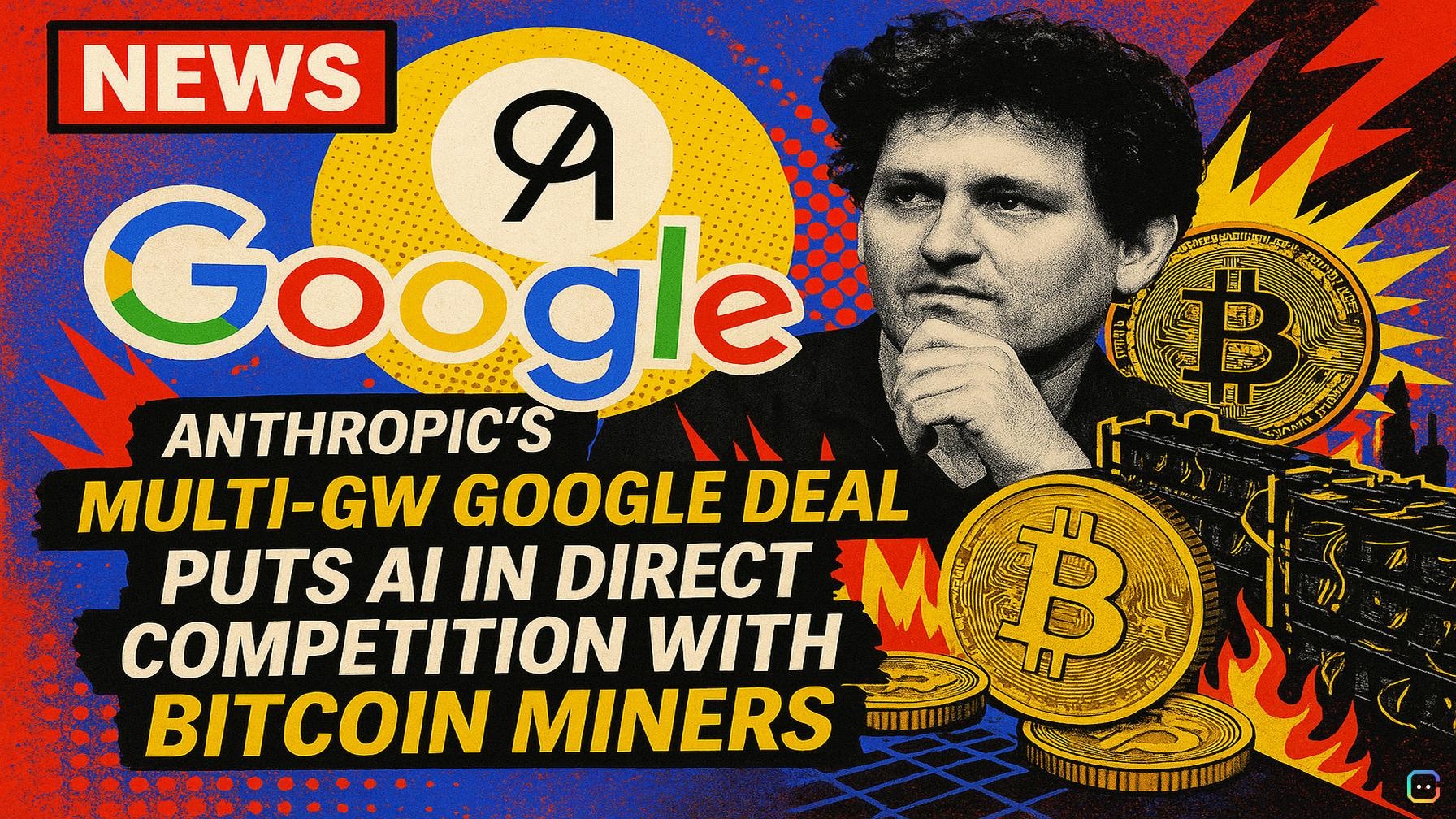
Anthropic’s new deal with Google and Broadcom is putting bitcoin miners in direct competition for the same pools of cheap power.
What happened
- Anthropic announced a partnership with Google and Broadcom for “multiple gigawatts” of next‑generation TPU compute capacity, slated to start coming online in 2027. The company called the deal its largest to date as its revenue run‑rate accelerated to $30 billion from $9 billion at the end of 2025.
- That scale of AI compute demand now vies with bitcoin miners for scarce resources: grid connections, land permits, cooling infrastructure and low‑cost electricity.
Why it matters for miners
- A Cambridge tracker estimates global bitcoin mining consumes roughly 13–25 gigawatts of continuous power depending on hardware efficiency assumptions. A single Anthropic deal delivering multiple gigawatts — on top of its existing capacity across AWS Trainium, Google TPUs and Nvidia GPUs — shows AI is rapidly becoming a peer‑level consumer of the same energy infrastructure miners rely on.
- OpenAI, which recently raised $122 billion and has called compute a “strategic moat,” is scaling across five cloud providers and four chip platforms, further expanding aggregate AI demand.
How miners are responding
- Faced with growing AI demand for power and capacity, many miners are choosing to pivot or diversify into AI hosting:
- Core Scientific converted a large portion of its mining capacity to AI hosting through a deal with CoreWeave.
- Iris Energy and Hut 8 have expanded AI and high‑performance computing revenue streams.
- Riot Platforms, MARA Holdings and Genius Group disclosed selling more than 19,000 BTC from their treasuries in a single week — a sign that mining economics alone are strained at current prices and network difficulty.
The economics driving the shift
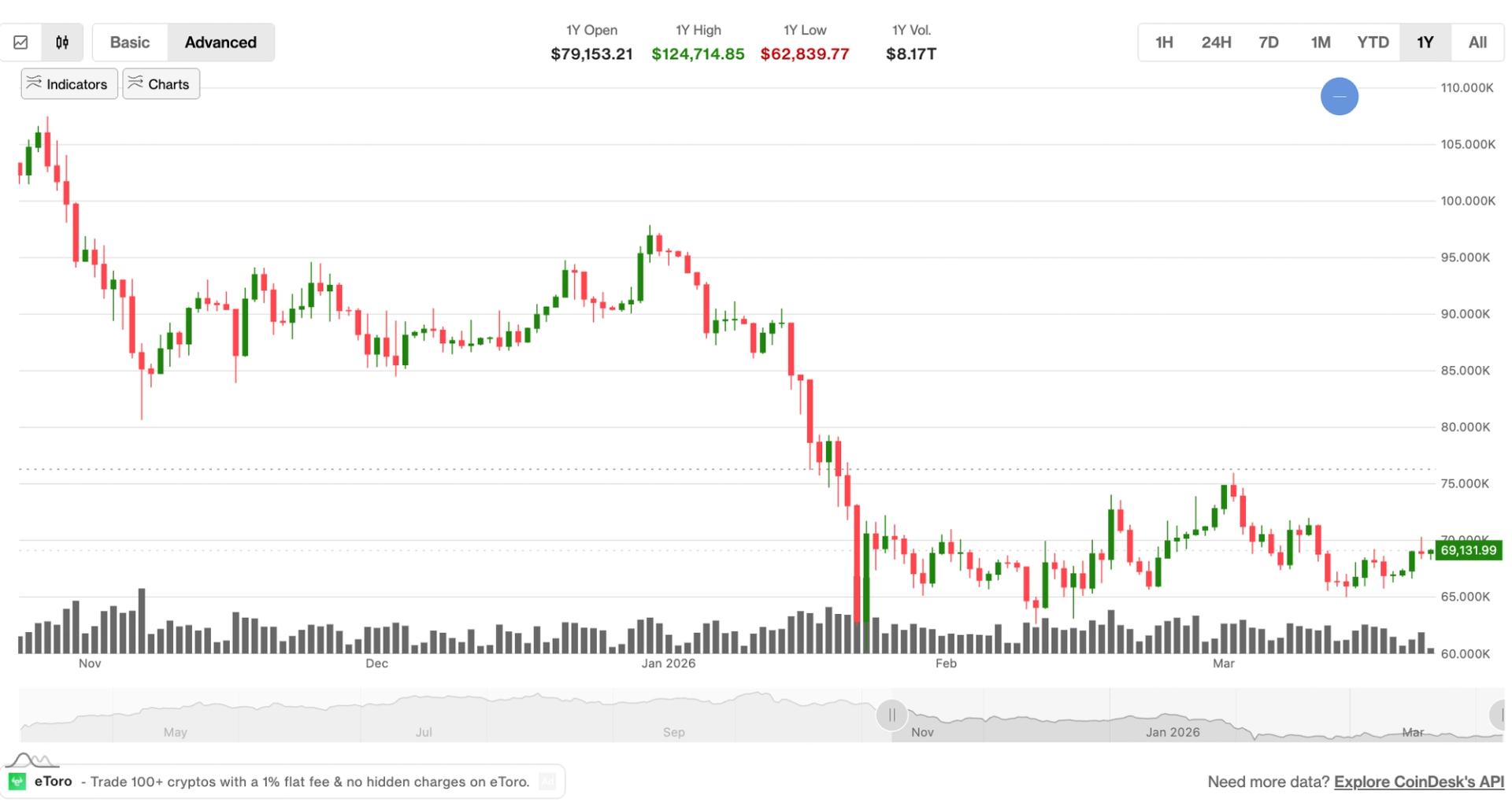
- Mining revenue is volatile — it depends on bitcoin price and network difficulty. Renting the same gigawatt of capacity to an AI company typically yields contracted, predictable cash flows. With bitcoin around $69,000, difficulty at all‑time highs and energy costs rising as other industrial consumers compete for grid capacity, AI hosting often pays better than mining.
- Anthropic’s own traction underscores the demand: the number of business customers spending more than $1 million annually on Claude doubled from 500 to over 1,000 in under two months.
Where this leaves the bitcoin network
- This isn’t the end of mining. The network’s hashrate keeps hitting records above 1 zetahash per second. But the profile of surviving miners is likely to shift: successful operators may look less like pure energy companies and more like real‑asset infrastructure firms that mine bitcoin opportunistically while leasing power and space to AI customers that can’t build data centers fast enough.
Bottom line
Anthropic’s multi‑gigawatt TPU deal is a clear signal that AI compute now competes directly with bitcoin mining for the same limited power and site resources. For miners, the strategic choice increasingly becomes whether to continue chasing volatile block rewards or to convert capacity into stable, contracted revenue from AI customers.
Read more AI-generated news on: undefined/news