Headline: FedNow Expansion Could Hand Ripple an Unexpected Path Into U.S. Instant Payments
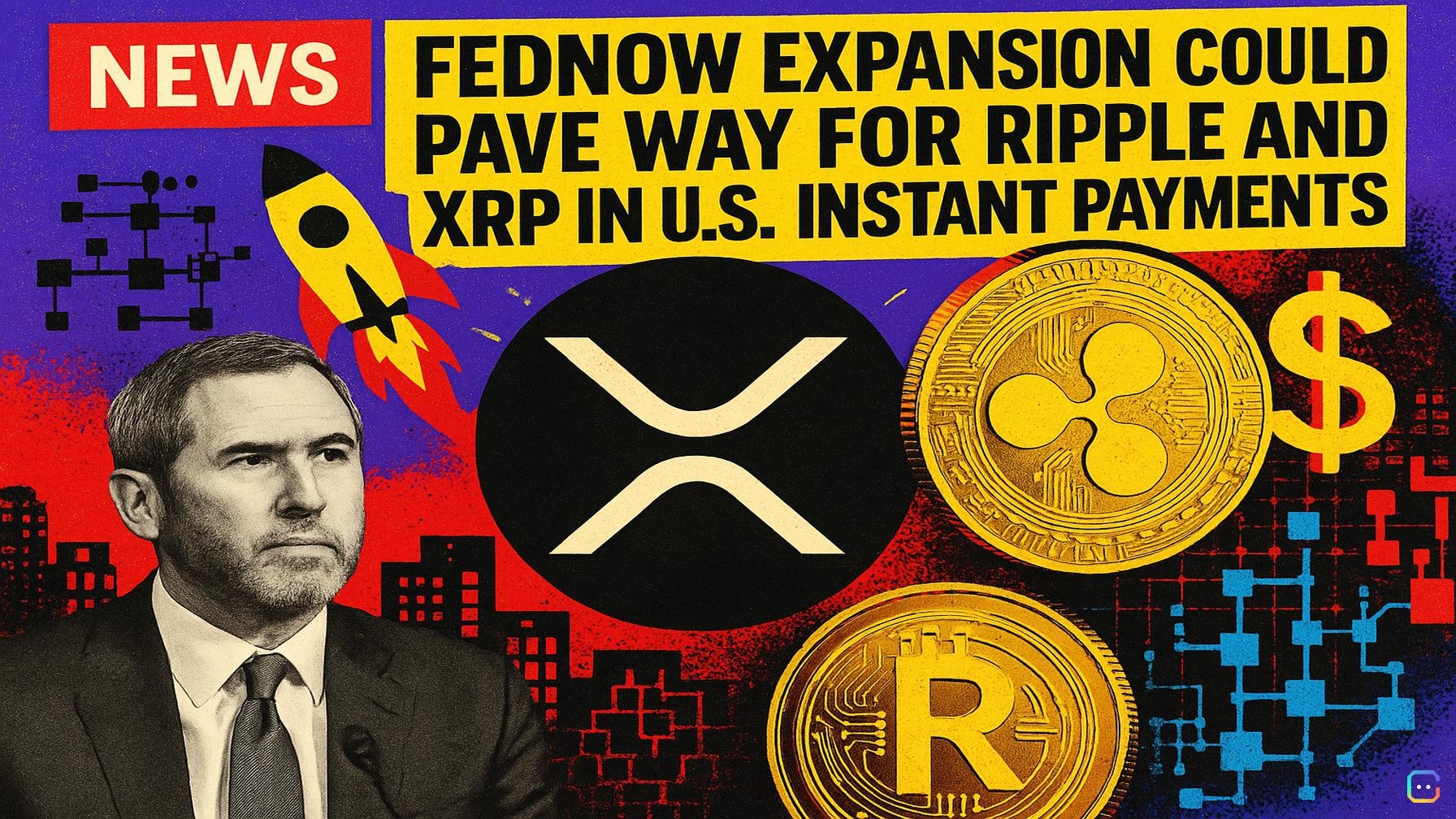
A quiet but important proposal from the Federal Reserve is rekindling interest in Ripple and its digital asset, XRP. The Fed’s plan to let banks and credit unions route instant transfers through intermediaries — revealed on X by analyst XFinanceBull — could create new rails for cross‑border payments, and some in the crypto community say Ripple is well positioned to take advantage.
What the Fed is proposing
The Federal Reserve has proposed expanding FedNow’s capabilities to allow intermediaries to facilitate fund transfers, moving beyond the current model of direct transfers strictly between two U.S. banks. That change could enable third‑party providers to bridge domestic and international legs of payments, potentially speeding settlement and widening participation in instant payments.
Why this matters for Ripple
Several pieces of the Ripple story line up with the Fed’s proposal. Ripple’s application to form Ripple National Trust Bank has received conditional approval from the Office of the Comptroller of the Currency (OCC). That charter — if fully approved — would let Ripple custody digital assets, offer lending, and seek direct access to Federal Reserve services such as FedNow.
The final regulatory step would be a Fed Master Account, which connects a chartered bank directly to the Fed’s payment systems. Ripple has reportedly applied and is awaiting that approval. If granted, the Master Account would theoretically allow a chartered Ripple entity to plug into FedNow and other Fed facilities.
Academic and industry context
A peer‑reviewed article published by the Financial Planning Association has examined how Ripple and XRP could function as a bridge for cross‑border transactions. The paper flagged possible integration points including FedNow access and participation in the Fed’s discount window for liquidity support — both mechanisms that would be relevant if intermediaries are allowed to route international payments through U.S. rails.
Adoption signals and global engagement
Community analysts point to more than 300 financial institutions reportedly using, adopting, or exploring XRP in some capacity. Ripple has also engaged with global institutions such as the IMF and the Bank for International Settlements, signaling a broader strategy focused on interoperability across existing financial infrastructure.
How XRP would be used
Proponents say XRP is engineered for fast, low‑cost currency conversion and could act as a bridge asset to convert local currencies into dollars in seconds. Community commentators — including a user known as Ledger Man — highlight use cases converting currencies like the Iraqi dinar, Vietnamese dong, and Venezuelan bolivar into USD as examples of where fast on‑chain conversion could matter. Partnerships with firms such as Temenos have been cited by supporters as early steps toward production deployments in banking environments.
Bottom line and caveats
The Fed’s proposed FedNow expansion opens a potential pathway for intermediaries — and companies like Ripple — to play a larger role in instant and cross‑border payments. But significant regulatory approvals remain in play: the OCC’s conditional charter is not final until all requirements are satisfied, and a Fed Master Account approval is still pending. Technical, compliance, and policy hurdles would also have to be cleared before any large‑scale integration takes place.
For now, the proposal has simply widened the conversation. Whether Ripple and XRP move from positioned to plugged‑in will depend on upcoming regulatory decisions and how the industry adopts intermediary models for instant and cross‑border payments.
Read more AI-generated news on: undefined/news