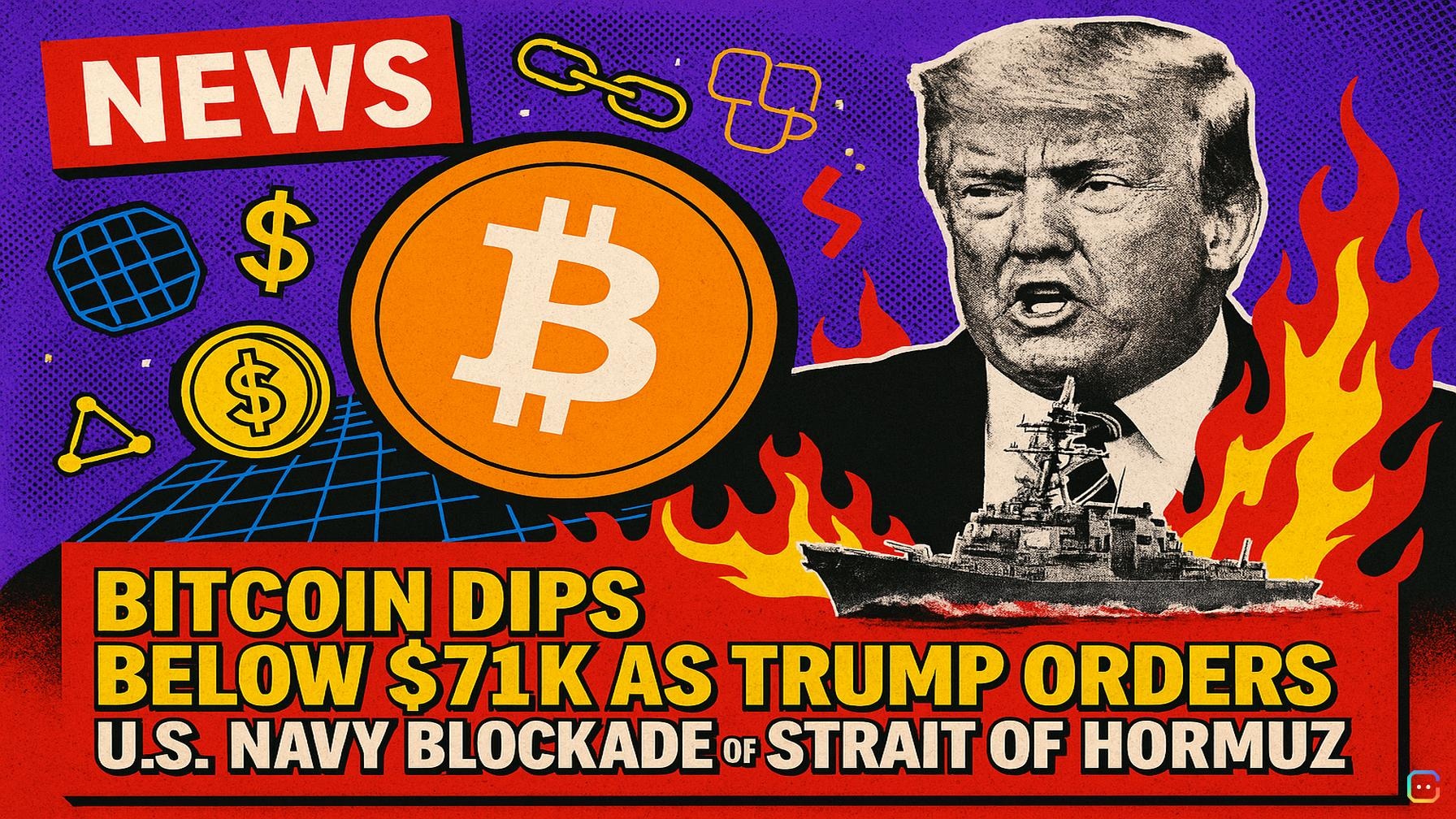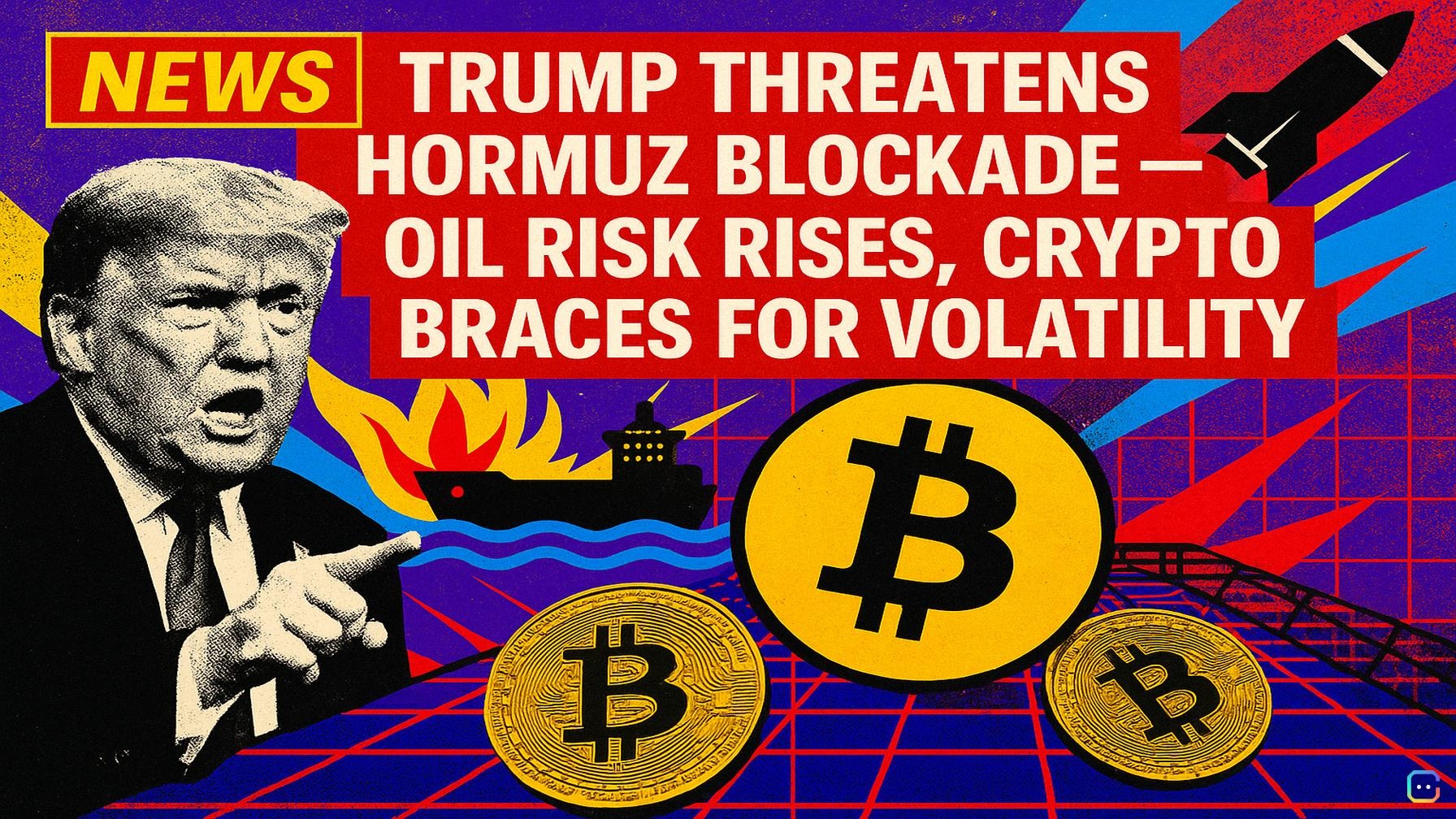
Headline: Trump threatens naval blockade of Strait of Hormuz — U.S. vows interdiction, mine removal; global markets and crypto could feel the ripple
Former President Donald Trump announced in a Truth Social post that the United States will begin naval action at the Strait of Hormuz, saying unresolved talks still left “NUCLEAR” as the central issue. He framed the move as an immediate response to what he called “WORLD EXTORTION,” and outlined a series of measures aimed at stopping Iran from exerting pressure via the critical waterway.
Key points from the post
- Blockade and interdiction: Trump said the U.S. Navy would start blockading ships entering or leaving the Strait of Hormuz and would seek and interdict vessels in international waters that have paid what he described as an illegal toll to Iran. He warned such ships would not receive safe passage.
- Mines and mine clearance: The post said U.S. forces would begin destroying mines that Iran allegedly planted in the strait.
- Escalation warning: Any Iranian forces firing on U.S. or commercial vessels, Trump wrote, would face direct retaliation.
- Later policy aim: He said the U.S. ultimately wanted an “ALL BEING ALLOWED TO GO IN, ALL BEING ALLOWED TO GO OUT” regime but blamed Iran for blocking that outcome by raising fears about mines.
- Claims and posture: The statement asserted Iran’s naval and air capabilities had been degraded and reiterated that Tehran’s nuclear program, not just money, remains the core dispute.
- Lack of operational detail: The post provided no timeline, operational specifics, or names of partner countries Trump said would join the effort.
Why this matters
- Strategic chokepoint: The Strait of Hormuz is one of the world’s most important oil and gas transit routes; any military action there is closely watched by energy markets, shipping operators, and governments across multiple regions.
- Market and crypto implications: Disruption or the risk of disruption in the strait tends to lift oil and broader risk premiums. For crypto markets, heightened geopolitical risk can trigger volatility — sometimes driving flows into perceived safe-haven assets like Bitcoin and other digital alternatives, and at other times prompting broad risk-off sell-offs that hit crypto prices and liquidity. Exchanges and tokenized commodity products could also face heightened counterparty and settlement risk if energy markets move sharply.
What’s still unknown
- No operational timeline or public confirmation of partner nations.
- No independent verification of the alleged mines or the degree of damage to Iran’s capabilities.
- Real-world escalation dynamics and responses from Iran and regional actors remain uncertain.
Bottom line
The Truth Social post signals a hardline U.S. posture toward Iran centered on the Strait of Hormuz and nuclear concerns, but it leaves many operational questions unanswered. Traders — in oil, equities and crypto — will likely monitor the situation closely for signs of escalation or de-escalation that could move markets.
Read more AI-generated news on: undefined/news