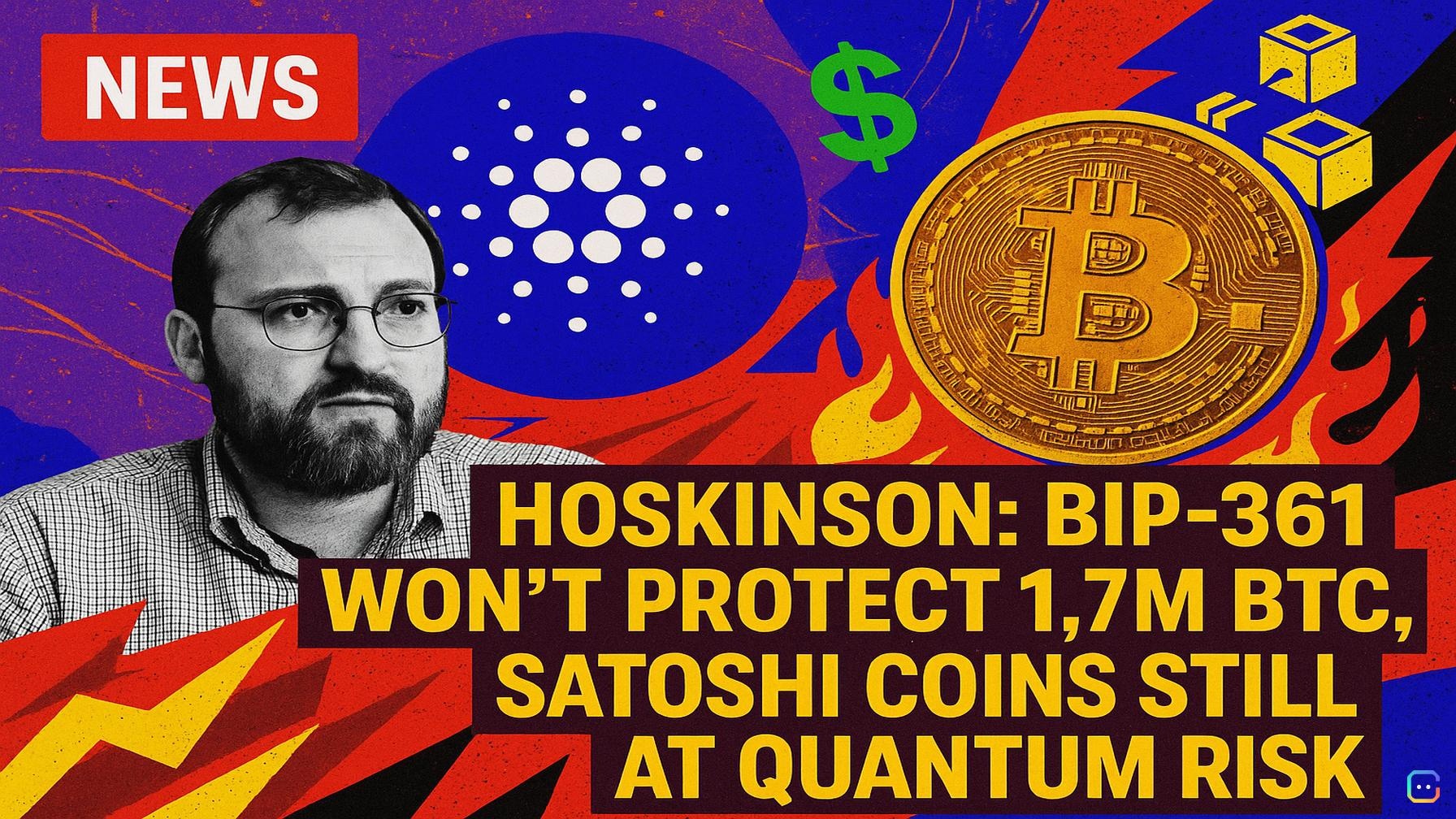
A new Bitcoin Improvement Proposal (BIP-361) — authored by cypherpunk Jameson Lopp and five co-authors — has ignited debate by proposing measures to effectively freeze roughly 1.1 million BTC linked to Satoshi Nakamoto (about $75 billion at current prices) as a preemptive defense against the rise of quantum computers.
Why this matters
- Quantum computing fears have intensified after a Google report suggested a future quantum machine could derive Bitcoin private keys in about nine minutes — roughly a minute faster than Bitcoin’s average block time. If true, that raises the specter of attackers extracting keys and spending coins before the network confirms defensive moves.
- That risk has pushed Bitcoin developers to investigate post-quantum safeguards; Ethereum has already publicly begun its post-quantum security planning.
What BIP-361 proposes
- The proposal would introduce a “zero-knowledge recovery” style mechanism intended to lock up at-risk coins until a safe migration or recovery approach is available. Advocates frame it as a contingency to prevent mass theft should powerful quantum computers arrive.
Charles Hoskinson’s objections
- Cardano founder Charles Hoskinson released a video criticizing the plan. His main points:
- He says BIP-361 would require a hard fork — not the soft fork its proponents have suggested — and that a hard fork would run counter to Bitcoin’s conservative upgrade culture.
- He argues the proposed zero-knowledge recovery mechanism would not cover roughly 1.7 million older BTC addresses, including the ~1.1 million attributed to Satoshi, because those UTXOs predate BIP-39 seed phrases and its account-recovery primitives.
- Hoskinson warned that, if implemented in its current form, the frozen coins could end up permanently inaccessible and called the draft “a rough idea for a contingency plan.”
What’s next
- The debate highlights a key tension for Bitcoin: how to balance urgent technical contingency planning against the community’s aversion to disruptive changes (especially hard forks).
- The proposal will need detailed technical review, community discussion, and likely revisions before any real deployment — and any fork would require broad consensus to avoid fracturing the network.
Bottom line
Quantum threats have moved from theoretical to a pressing topic in crypto-security circles. BIP-361 has brought one possible defensive approach into public view, but prominent critics like Hoskinson warn it carries serious technical and cultural risks. The coming weeks and months should reveal whether the Bitcoin community can craft a solution that protects funds without undermining the protocol’s cautious governance norms.
Read more AI-generated news on: undefined/news