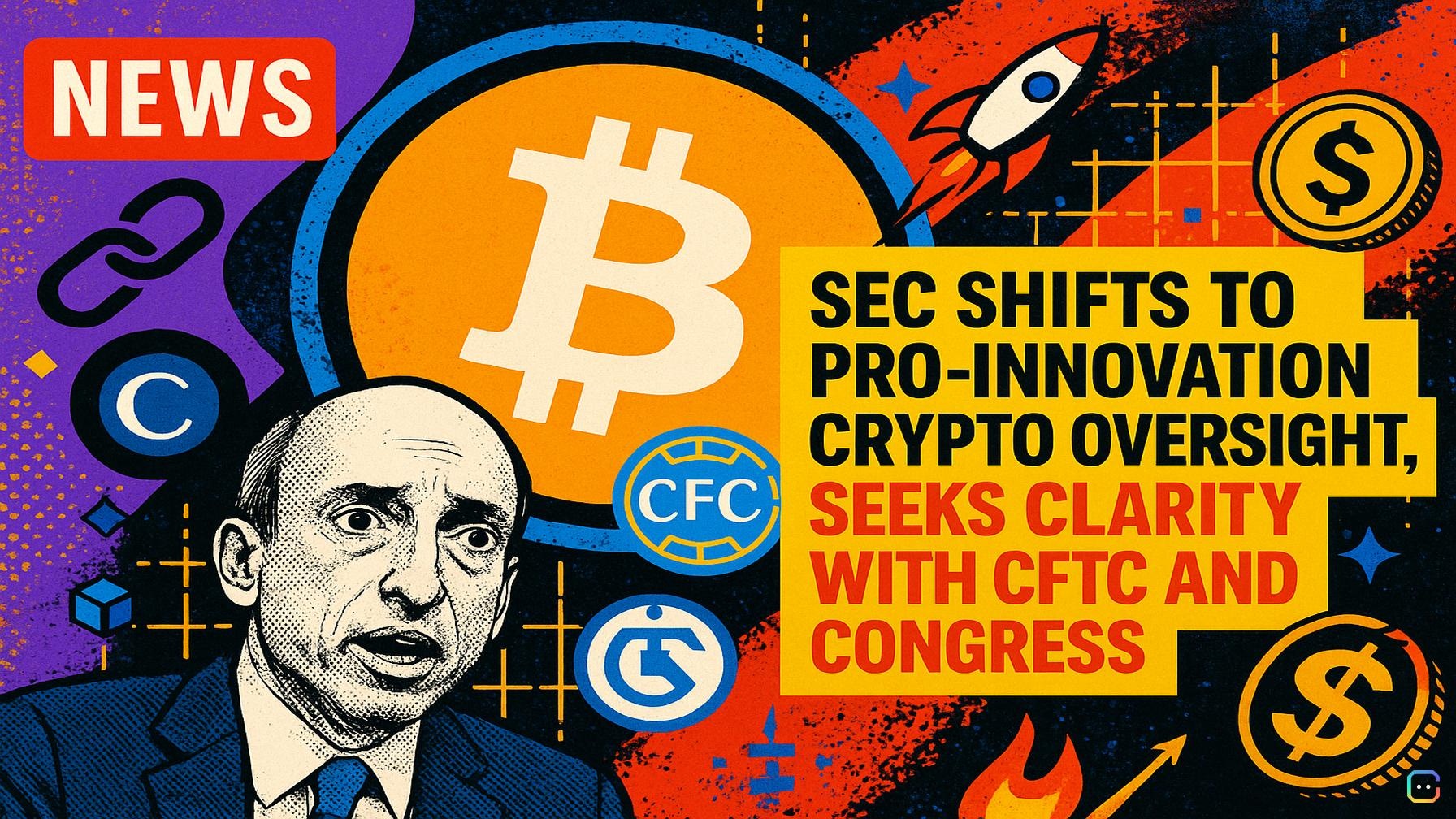
The U.S. Securities and Exchange Commission is putting crypto front and center. In the debut episode of the SEC’s new podcast, Material Matters, Chairman Paul Atkins and Commissioner Hester Peirce described the agency’s pivot to clearer, pro-innovation oversight — part of an effort to deliver on President Trump’s goal of making the U.S. the “crypto capital of the world.”
Atkins singled out digital assets as “one area now that is really top on our list to try to get right with respect to regulation,” while Peirce — who heads the Commission’s Crypto Task Force — said the agency’s friendlier stance makes it easier to build an “understandable” regulatory framework that is “fit for purpose.” For Peirce, working with innovators to resolve legal ambiguities is essential: open, innovation-friendly rules will make markets more resilient and better serve investors.
Both officials stressed that regulatory clarity will let the SEC focus enforcement where it’s most needed. Peirce argued that a strong, sensible regulatory structure helps regulators identify and go after bad actors, rather than wasting enforcement resources on issues that could be solved through clearer rules.
Gaps remain, she acknowledged: in particular, there is no comprehensive federal framework around spot crypto trading — an area she expects the Commodity Futures Trading Commission to take up in the future. To reduce overlap and fragmentation, the SEC and CFTC have stepped up cooperation. In January the two agencies launched Project Crypto to “bring coordination, coherence, and a unified approach” to federal oversight, and they recently issued joint guidance clarifying how federal securities laws apply to many digital assets, stating that most crypto assets are not securities.
The SEC has also published detailed rules aimed at practical issues such as custody for broker-dealers and protections for retail investors. Peirce said the increased coordination with the CFTC is already helping both agencies avoid duplicative work and better monitor interrelated markets — a necessary precursor to assigning primary regulatory responsibility.
Lawmakers are expected to codify some of those allocations in the long-awaited crypto market structure bill, often called the CLARITY Act. Atkins called this moment “a very important inflection point in the American markets,” and suggested the combination of clearer rules, inter-agency cooperation, and legislative action could unlock significant innovation opportunities.
Bottom line: the SEC is signaling a shift from uncertainty toward a framework aimed at encouraging innovation while targeting clear cases of bad conduct. For crypto firms, investors and policymakers, the months ahead could bring some of the clearest guidance yet on how digital assets will be regulated in the U.S.
Read more AI-generated news on: undefined/news