POLITICO investigation: Polymarket funneled at least $350,000 to influencers, raising disclosure and regulatory questions
A POLITICO investigation based on PayPal transaction records alleges Polymarket paid at least $350,000 to social media influencers over a 14‑month period — and that many of those creators later promoted the prediction‑market platform on X (formerly Twitter) without clearly disclosing a paid relationship.
Key findings from the report
- The payments were reportedly sent by Polymarket chief marketing officer Matthew Modabber from a personal PayPal account between January 2025 and February 2026.
- POLITICO says Modabber transferred more than $2.5 million to over 800 people during that time; records reviewed by reporters identified at least 20 influencers who later posted about Polymarket.
- The publication counted more than 490 posts mentioning Polymarket during the review period and reported that none of those posts included disclosures identifying them as paid promotions.
- Named recipients included conservative influencer Alex LoRusso, commentator Brian Krassenstein, Fox News contributor and former collegiate swimmer Riley Gaines, and others across the political spectrum. Marketing operator Shane Ginsberg — founder of the social media firm Street Poller — was reported to have received at least $77,000; his network allegedly produced man‑on‑the‑street videos and visible Polymarket branding around the 2024 U.S. presidential election.
Polymarket’s response and influencer practices
- A Polymarket spokesperson told POLITICO that working with content creators is a normal part of the company’s business and that it collaborates with independent organizations and partners to promote its market‑based insights. The spokesperson declined to address disclosure policies, the use of Modabber’s personal PayPal account, or whether the payments were booked as business expenses.
- One influencer who spoke anonymously told POLITICO that Polymarket sometimes supplied suggested posts and steered creators toward specific markets or announcements to promote. POLITICO flagged coordinated bursts of supportive posts following two major releases: the February 2025 launch of a Department of Government Efficiency dashboard and a June partnership announcement with Elon Musk’s xAI, where multiple paid influencers published supportive posts within hours of each other.
Legal and regulatory backdrop
- The Federal Trade Commission requires influencers to disclose material connections when endorsing products or services. Former FTC deputy general counsel Robin Moore told POLITICO the arrangements described in the report “appear to be the type of arrangement that generally should be disclosed.”
- The POLITICO revelations arrive as Polymarket faces increased legal scrutiny in multiple jurisdictions:
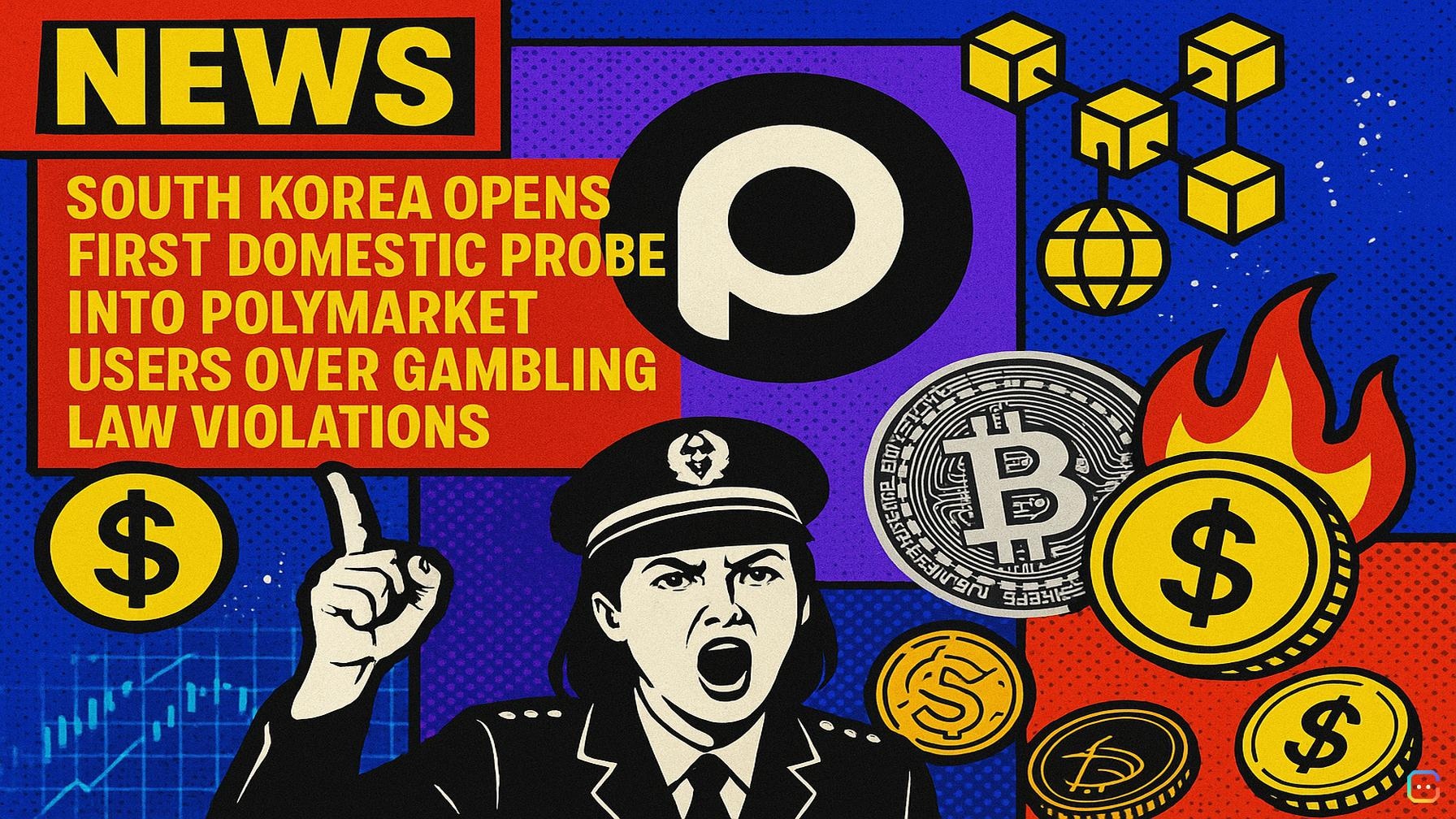
- South Korea: The Gangwon Provincial Police Agency has opened what Chosun Biz described as the country’s first investigation into domestic Polymarket users, examining whether participation violated South Korean gambling laws. Prosecutors there have recently begun applying existing statutes to blockchain‑based activities, including high‑profile cases such as the CATFI meme coin prosecution.
- United States: In May, the Department of Justice charged Google engineer Michele Spagnuolo with commodities fraud, wire fraud, and money laundering for allegedly using confidential Google information to profit roughly $1.2 million trading Polymarket contracts tied to Google’s annual search rankings. The CFTC filed a parallel civil complaint asserting that insider trading laws apply to prediction markets; Enforcement Director David Miller emphasized the agency’s focus on preventing misuse of nonpublic information.
Market integrity concerns
- Traders have also raised operational and governance questions about Polymarket. POLITICO noted a recent disputed market — asking whether a firm called Strategy would sell Bitcoin before May 31 — was resolved “No” after a final UMA review, even though a regulatory filing showed Strategy sold 32 Bitcoin during the final week of May. That outcome generated complaints and reignited debate over how prediction markets should handle disputed results and post‑trade clarifications.
Why this matters for crypto audiences
- The story ties together influencer marketing, disclosure compliance, and the broader regulatory squeeze on crypto and prediction markets. Undisclosed paid promotions can attract FTC scrutiny, undermine user trust, and complicate enforcement landscapes already grappling with insider trading, gambling laws, and market‑resolution disputes. For builders and users in the crypto space, the POLITICO report underscores how marketing practices can become entry points for legal and reputational risk.
What to watch next
- Whether regulators (FTC, CFTC, local prosecutors) follow up on disclosure practices and whether Polymarket provides accounting or policy clarifications about the reported payments.
- Any civil or criminal inquiries tied to the influencer payments, and how exchanges and prediction markets update disclosure and conflict‑of‑interest rules to avoid similar scrutiny.
- Outcomes of ongoing investigations in South Korea and U.S. enforcement actions that may set precedents for prediction‑market regulation and influencer responsibility.
Source: POLITICO review of PayPal records and social‑media activity; reporting on related legal actions by the U.S. DOJ and CFTC, and law‑enforcement developments in South Korea.
Read more AI-generated news on: undefined/news