A puzzling divergence in XRP markets is drawing attention: futures volume has surged back above $5 billion even as the token’s price collapses to its lowest levels of 2026.
Across major venues — Binance, Bybit, Coinbase and OKX — XRP futures turnover climbed past $5 billion in early June, according to a chart shared by long-time XRP Ledger community member Nepentia (@nepentia). That spike in futures activity coincided with a sharp price drop: XRP slipped below $1.10 in early June (its 2026 low) and was trading roughly between $1.11–$1.16 at the time of the post. By contrast, the last time futures volumes reached comparable heights, XRP was trading nearer $1.65, during a much more optimistic market phase.
Why this matters
Market observers note the unusual gap between heavy futures activity and weak spot prices. Nepentia summed up the dynamic: “When volume explodes while price pulls back, it can signal something more important than hype: accumulation.” The implication is that large players — institutions or funds — could be quietly building positions while retail traders flee the red candles.
Key facts and context
- Futures volume across Binance, Bybit, Coinbase and OKX topped $5 billion in early June (chart timeframe: Feb–early June 2026).
- XRP’s price fell from about $1.33 at the start of June to below $1.10 within days — a drop exceeding 17%.
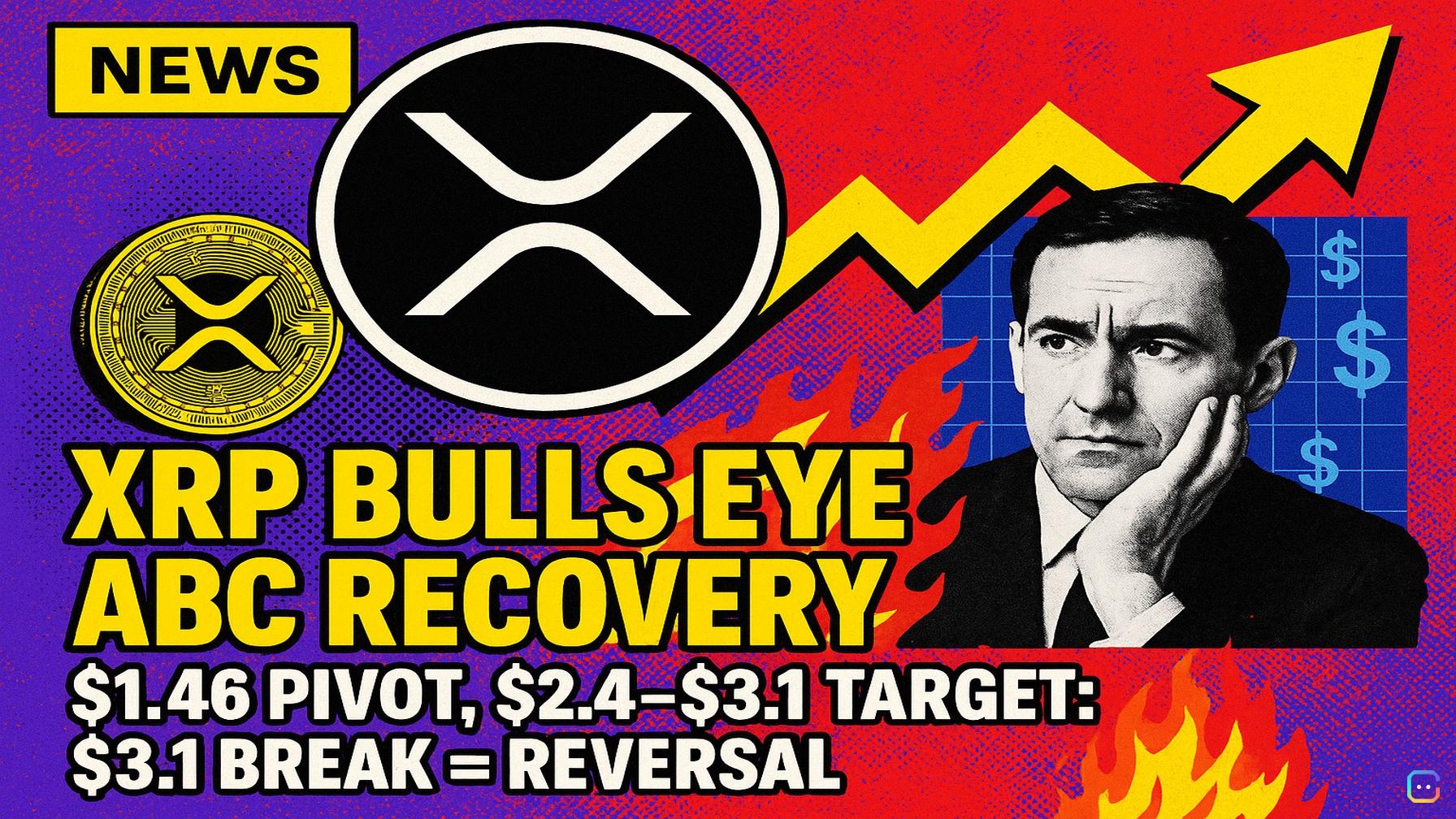
- Earlier in the year, a short-lived rally in January pushed XRP to roughly $2.40, making the current levels a steep discount from recent highs.
- The volume/price configuration does not forecast direction; it’s a data point. Historically, similar setups have preceded accumulation phases, but past behavior is not a guarantee of future performance.
What analysts are watching
The scale of the futures-volume surge is seen as inconsistent with retail-driven trading, suggesting larger, coordinated flows. Retail traders typically exit during sharp downswings, while institutions often accumulate when sentiment is poor. That pattern is precisely why the current divergence is being read as a potential institutional accumulation signal.
Bottom line
This futures-volume/price mismatch doesn’t prove a coming rally, but it is a notable divergence from typical retail-driven behavior. Traders and analysts will be watching the coming weeks to see whether the elevated futures activity translates into sustained buying and a directional move, or whether the signal fades without follow-through.
Read more AI-generated news on: undefined/news