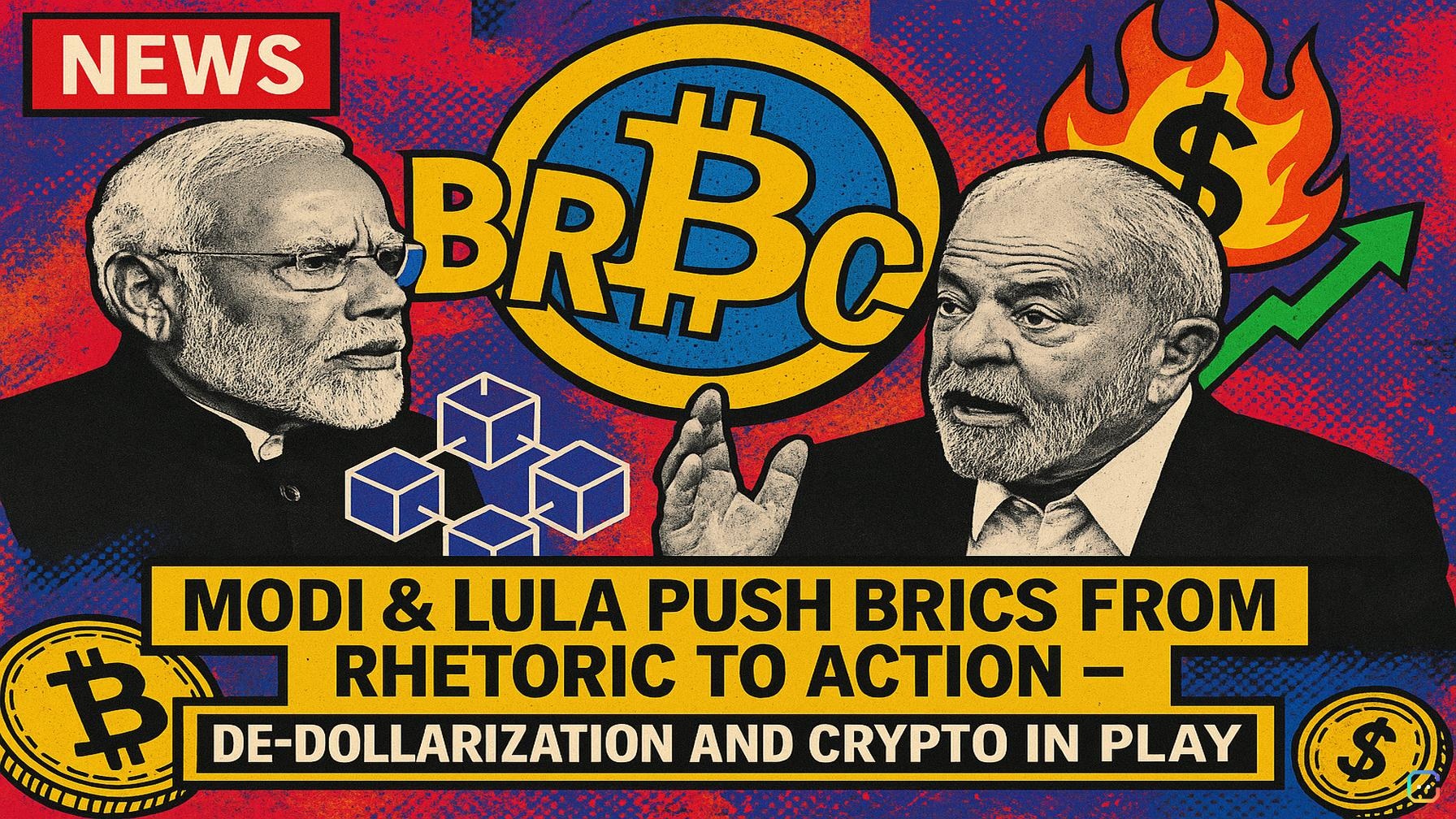
BRICS is shifting from rhetoric to action — and two leaders are pushing the bloc into the spotlight. Brazilian President Luiz Inácio Lula da Silva arrived in India with a 300-strong business delegation and a clear agenda: deepen India‑Brazil trade, sharpen BRICS’s collective voice, and push back against unilateral trade measures such as the Trump-era universal tariffs.
The visit builds on a high-profile foundation laid by Prime Minister Narendra Modi in his July 2025 BRICS speech in Rio. Modi tore into international institutions he says no longer represent the majority of the world, calling out the UN Security Council, the WTO, and the IMF. His most-circulated line captured the urgency: “In the age of AI, where technology evolves every week, it’s unacceptable for global institutions to go 80 years without reform. You can’t run 21st-century software on 20th-century typewriters!” He also warned that a stalled reform process leaves the Global South effectively disconnected: “Without the Global South, these institutions are like a mobile phone with a SIM card but no network.” Modi pushed for substantive reform — changes to governance structures, voting rights, and leadership — not symbolic gestures.
Lula brought numbers to match the rhetoric. India‑Brazil trade currently sits at about $15 billion, a figure he called “far too low” and said should rise to $30–40 billion given the size of both economies. He framed TRUMP-era tariffs as a test for BRICS cohesion: when the US imposed universal tariffs, he convened the bloc by teleconference so BRICS could issue a collective statement rejecting unilateral measures.
On de-dollarization — a topic that often sparks headlines — Lula tempered expectations while keeping the door open. He rejected the notion of a single BRICS currency as unrealistic in the short term but insisted the bloc must “start thinking about — whether Brazil and India need the dollar to conduct their trade.” He closed his India Today Global interview by stressing the personal and geopolitical stakes: “I have an extraordinary relationship with Prime Minister Modi… If we continue to work with seriousness, I believe we will change for the better the history of India and the history of Brazil.”
The visit produced tangible outcomes: India‑Brazil agreements on defense and renewable energy were signed, a joint BRICS statement on tariffs was issued, and India will host the next BRICS summit in 2026. The message is clear — BRICS is moving beyond summitry toward coordinated economic and geopolitical initiatives.
Implications for crypto and payments: while Lula stopped short of proposing a BRICS currency, renewed talks about reducing dollar dependency and expanding trade settlements among major emerging economies naturally intersect with crypto, stablecoins, and central bank digital currencies. If BRICS members pursue alternative payment rails or local‑currency settlement mechanisms, that could accelerate interest in digital settlement solutions — though no concrete monetary-policy shifts were announced during this visit.
Bottom line: Modi and Lula are converting BRICS momentum into concrete trade deals and joint diplomatic stances, keeping reform and reduced dollar reliance on the table — and raising strategic questions that will matter to markets, payment systems, and the crypto space as the bloc gears up for its 2026 summit.
Read more AI-generated news on: undefined/news