Headline: Iran war oil shock pushes inflation back onto investors’ radars — and sparks a new stablecoin bet
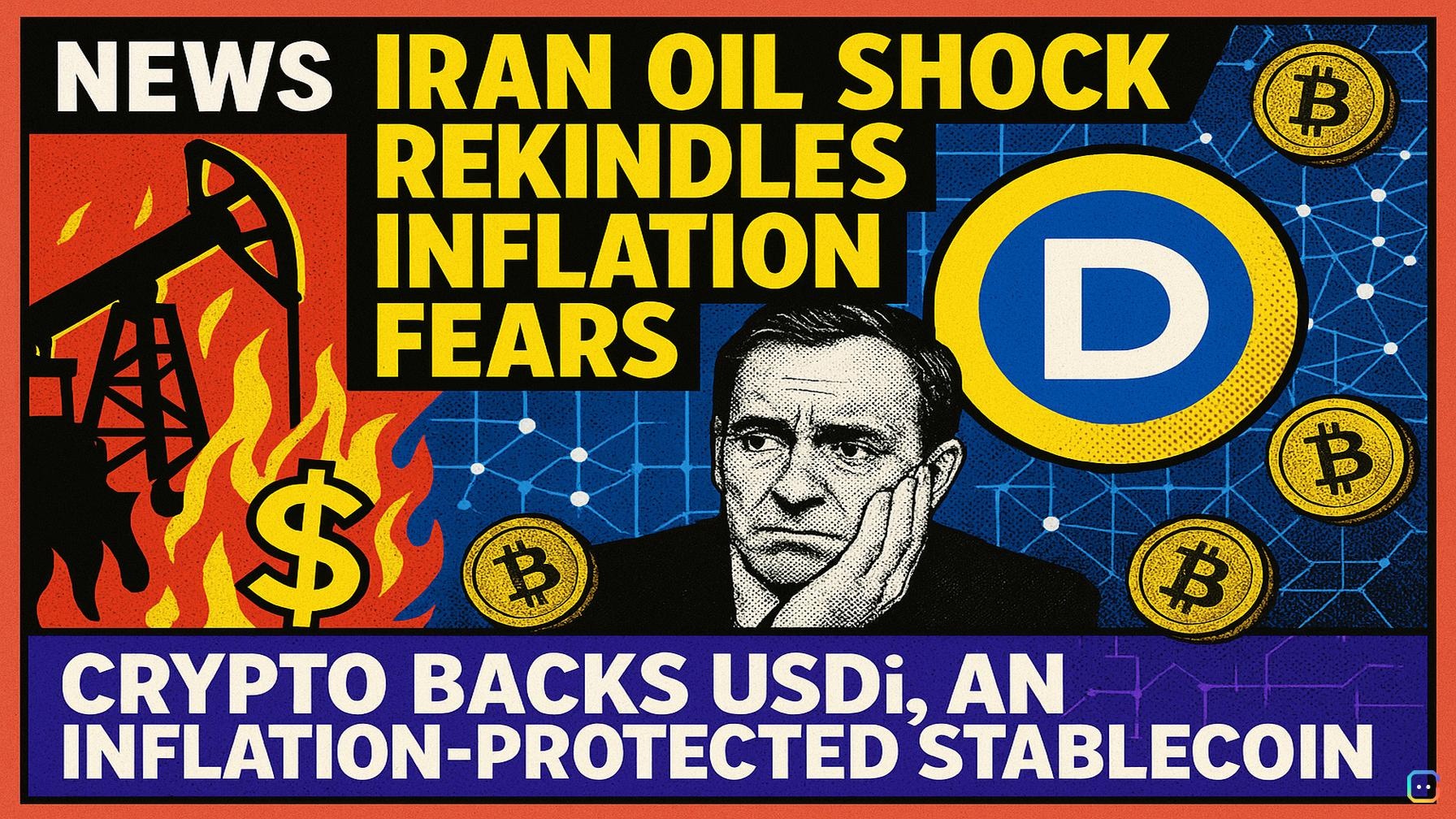
As oil spikes tied to the Iran conflict and fears over the Strait of Hormuz send energy costs higher, inflation has moved from the background to the front of investors’ minds — and crypto entrepreneurs are pitching a novel fix.
Recent U.S. data showed headline inflation jumped 0.9% last month, driven largely by energy prices linked to the Middle East unrest; by contrast, February’s headline gain was just 0.3%. Core inflation, which strips out volatile food and energy components, unexpectedly undershot forecasts — but the headline move has already refocused attention on purchasing power risk.
That’s the problem Michael Ashton and co‑founder Andrew Fately say their stablecoin, USDi, is trying to solve. “The stablecoin boom has accidentally rebuilt only half of the monetary system,” Ashton told CoinDesk. “Stablecoins solved the medium‑of‑exchange problem for crypto, but nobody solved the store‑of‑value problem. USDi is the first serious attempt to finish building the monetary system onchain.”
Why that matters
The stablecoin market — roughly $300 billion and dominated by dollar‑pegged tokens — is core plumbing for trading and payments in crypto. But most of those tokens are engineered to hold a nominal $1 peg, typically backed by cash or Treasury bills. That keeps them stable in name, not in purchasing power. When inflation rises, a dollar‑pegged stablecoin still equals one nominal dollar; it simply buys less.
Ashton argues that as stablecoins evolve from trading tools to genuine payment infrastructure, institutional holders such as treasurers, neobanks and cross‑border payment platforms are quietly taking on unpriced inflation exposure. “There isn’t really an inflation‑protected savings account,” he says. “That’s the gap we’re trying to fill.”
What USDi does
USDi is designed to track inflation itself rather than the nominal dollar. Its value rises in line with changes in the U.S. Consumer Price Index (CPI), effectively offering a blockchain‑native version of inflation‑protected principal. The team positions USDi closer to the inflation adjustment feature of Treasury Inflation‑Protected Securities (TIPS) but without some of the bond market drawbacks: TIPS can still lose market value when interest rates rise because they are traded bonds, Ashton notes. USDi aims to act more like an inflation‑linked savings vehicle.
Reserves backing USDi are invested in a low‑volatility private vehicle called the Enduring U.S. Inflation Tracking Fund, which combines TIPS, U.S. Treasury debt, foreign exchange and commodity futures and options to generate returns and maintain inflation linkage.
Oil shock brings the case into focus
Global oil has been volatile since the Iran‑related conflict began in late February. Prices initially climbed into the $80s per barrel and then surged past $100 as markets priced in the risk of disruptions to the Strait of Hormuz — a chokepoint for roughly 20% of globally traded oil. Higher oil feeds through to transportation and production costs, which in turn can push consumer prices higher. Markets have been swinging wildly, often reacting more to headlines and the “war premium” than to immediate supply fundamentals.
“With T‑bills around 3.5% and inflation around 3%, historically inflation has often outpaced short rates over longer periods,” Ashton said. “We may be returning to that pattern.” That dynamic, he adds, strengthens the argument for an asset explicitly designed to track inflation rather than nominal yields.
Beyond a trade: structural change
Ashton frames USDi not just as a tactical hedge but as a structural evolution for crypto’s monetary stack. Bitcoin provided a volatile store of value and stablecoins plugged payments — he argues USDi finishes the set by offering an onchain store of value that preserves purchasing power over time.
One distinctive technical feature USDi plans to offer is customizable inflation exposure. CPI is a composite of categories like housing, health care, transportation and education; USDi’s architecture could theoretically let users isolate exposure to particular components — for example, health‑care inflation or tuition — or even by geography (U.S. core CPI vs. Dutch or French inflation). That would create more precise hedges for industries with concentrated cost risks.
Potential early adopters and use cases
Ashton expects insurers and reinsurers to be among the first institutional users. Insurance companies often face concentrated inflation risks — medical cost inflation, for example — and currently hedge those exposures with blunt instruments (more capital, reinsurance, catastrophe bonds). More targeted inflation hedges could reduce capital needs or expand underwriting capacity. Education financing is another fit: tokenized inflation hedges could offer an alternative to prepaid tuition plans that lock in today’s prices.
Where the project stands
USDi is operational and the team is targeting a seed raise of about $1.5 million in the coming months. The broader pitch is cultural as much as financial: “You’re born with inflation risk,” Ashton says. “You’re not born with credit risk or equity risk.” In other words, he sees inflation protection as a foundational piece of onchain financial infrastructure, not just another yield product.
As oil and geopolitics keep inflation volatility high, projects like USDi make a bold claim: that crypto can deliver new, programmable tools to hedge real‑world purchasing power — and, in the process, complete the monetary system that began with bitcoin.
Read more AI-generated news on: undefined/news