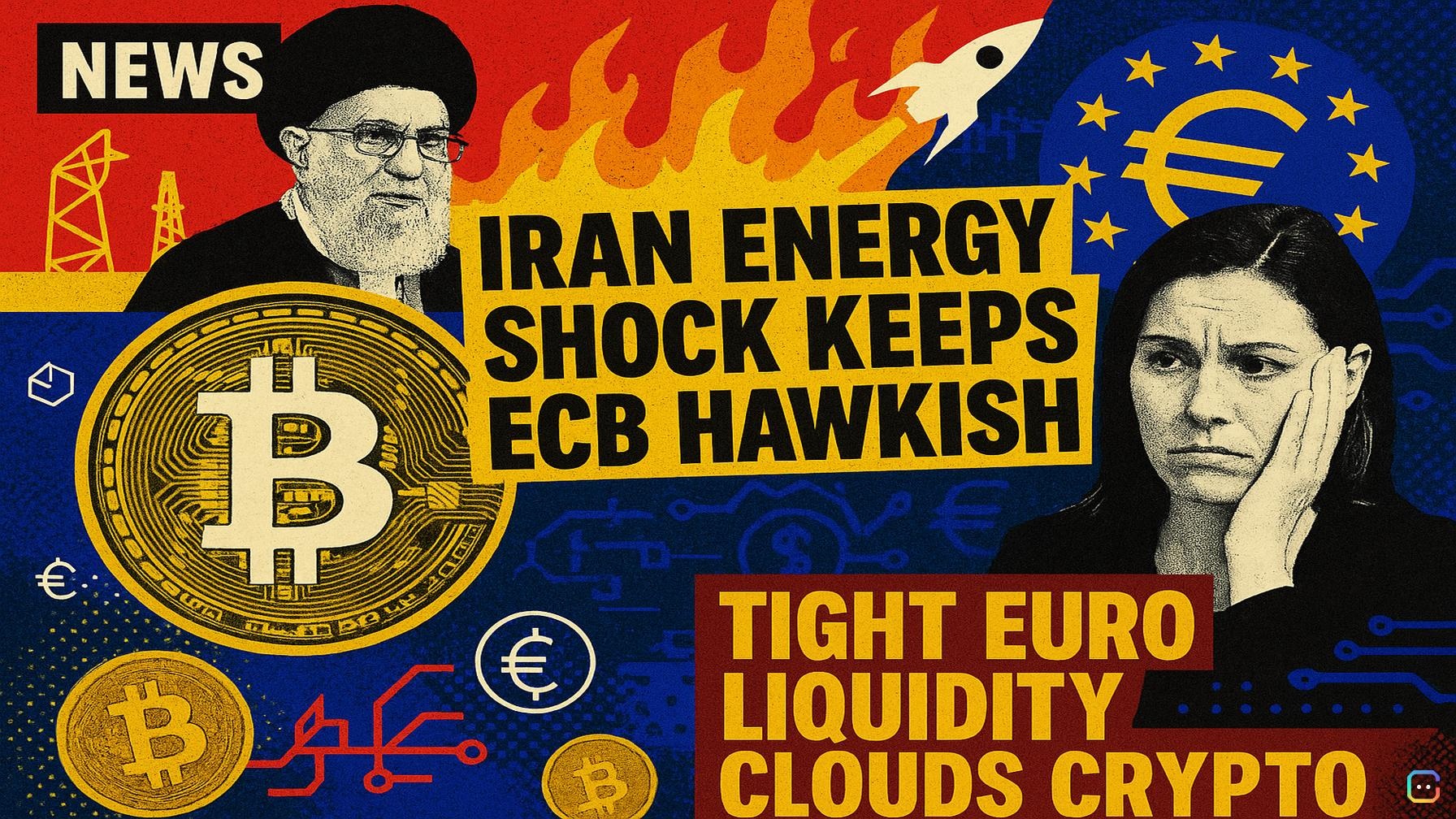
The ECB is on high alert as the Iran conflict drives up energy costs, and that vigilance is shaping a tougher backdrop for crypto markets.
Bundesbank chief and ECB Governing Council member Joachim Nagel told Bloomberg the central bank is “highly vigilant” to inflation risks from the Iran war and “will act as needed to prevent higher energy costs spilling over into prices more broadly.” He warned the conflict’s medium‑term inflation impact is “still difficult to assess” and stressed policymakers won’t allow an energy shock to trigger persistent, second‑round inflation effects. Nagel reiterated similar comments he made to Reuters in March, adding that talk of inflation undershooting the ECB’s 2% target “are likely to be over for the time being.”
Why it matters: the ECB is keeping its deposit rate at roughly 2% — a level Nagel calls “well positioned” to move in either direction — but officials including Croatia’s Boris Vujčić and chief economist Philip Lane have emphasized the priority is avoiding a repeat of the 2022 Russia‑Ukraine energy shock, when delayed action coincided with a jump to double‑digit inflation.
The data backs their concern. Eurostat data reported by the Associated Press show euro‑area inflation rose to 3% in April from 2.6% in March, driven by a 10.9% year‑on‑year jump in energy prices as disruptions around the Strait of Hormuz affected flows. Barchart summarized the situation as “higher inflation and weaker growth,” a classic stagflation mix that constrains the ECB’s willingness to cut rates.
Markets are taking note. CryptoBriefing cited prediction markets showing virtually no chance — about 0.3% — of a 50‑basis‑point ECB cut at the April 2026 meeting, arguing traders see little room for aggressive easing while energy‑driven inflation persists. Yahoo Finance similarly quoted policymakers saying the ECB “must be very agile and vigilant,” with any easing now likely to be slower and more conditional than markets hoped at the start of the year.
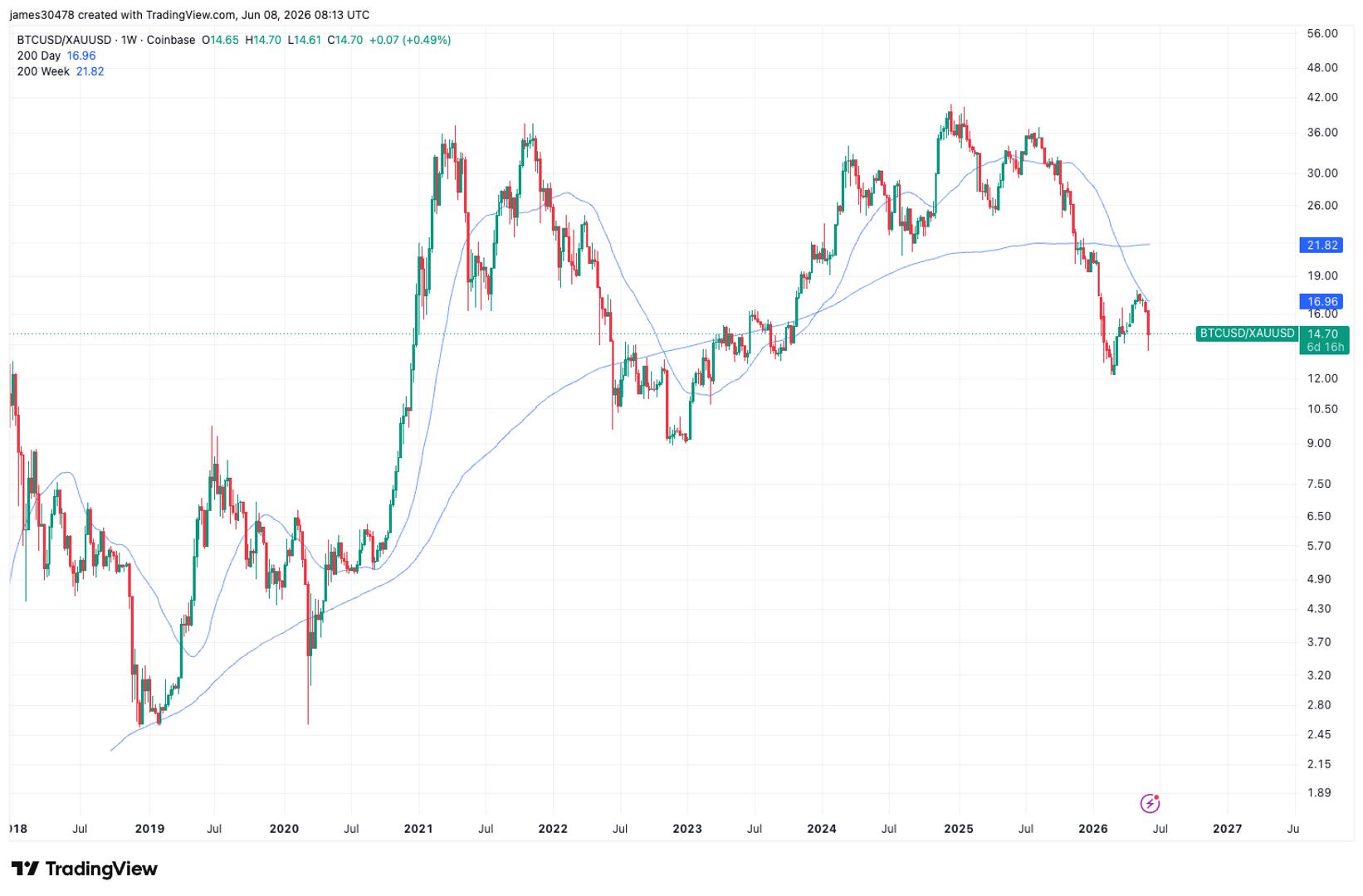
Implications for crypto: a Europe that stays hawkish or delays cuts compounds an already tight global liquidity environment — a headwind for crypto. Analysts at CryptoSlate argue the Iran energy shock has exposed Bitcoin’s dependence on liquidity, noting that as energy prices rose and central banks stayed cautious, Bitcoin behaved more like a leveraged risk asset than a safe‑haven inflation hedge. Research highlighted by crypto.news shows Bitcoin and Ethereum now track global risk sentiment: they tend to outperform when central banks are on hold and equities grind higher but fall when inflation surprises force policymakers to tighten. Indeed, a crypto.news report on U.S. jobs data showed the total crypto market cap slipping and Bitcoin losing key support as rate‑cut hopes faded.
Bottom line: as long as the Iran war keeps oil and gas prices elevated and euro‑area inflation hovers around 3%, the ECB’s bias will favor vigilance over easing. For crypto traders, that means European liquidity is likely to remain tight — and Bitcoin’s role in portfolios will be driven more by global risk appetite and real‑yield dynamics than by a simple “inflation hedge” story.
Read more AI-generated news on: undefined/news