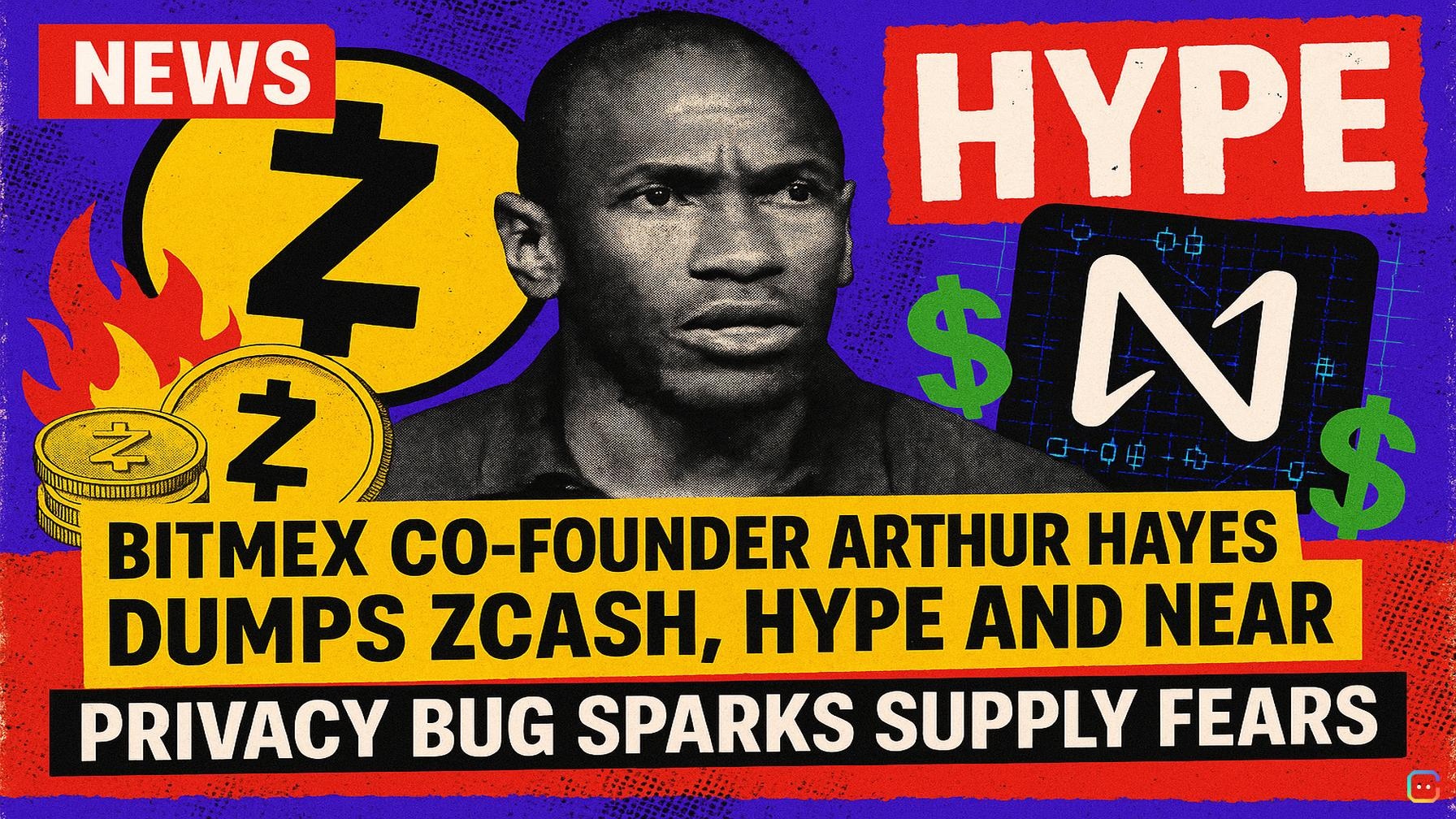
Arthur Hayes, the BitMEX co-founder turned macro crypto investor, has liquidated his holdings in Zcash (ZEC) — and also closed positions in Hyperliquid (HYPE) and NEAR Protocol (NEAR) — amid fallout from a serious vulnerability in Zcash’s privacy layer.
What triggered the move
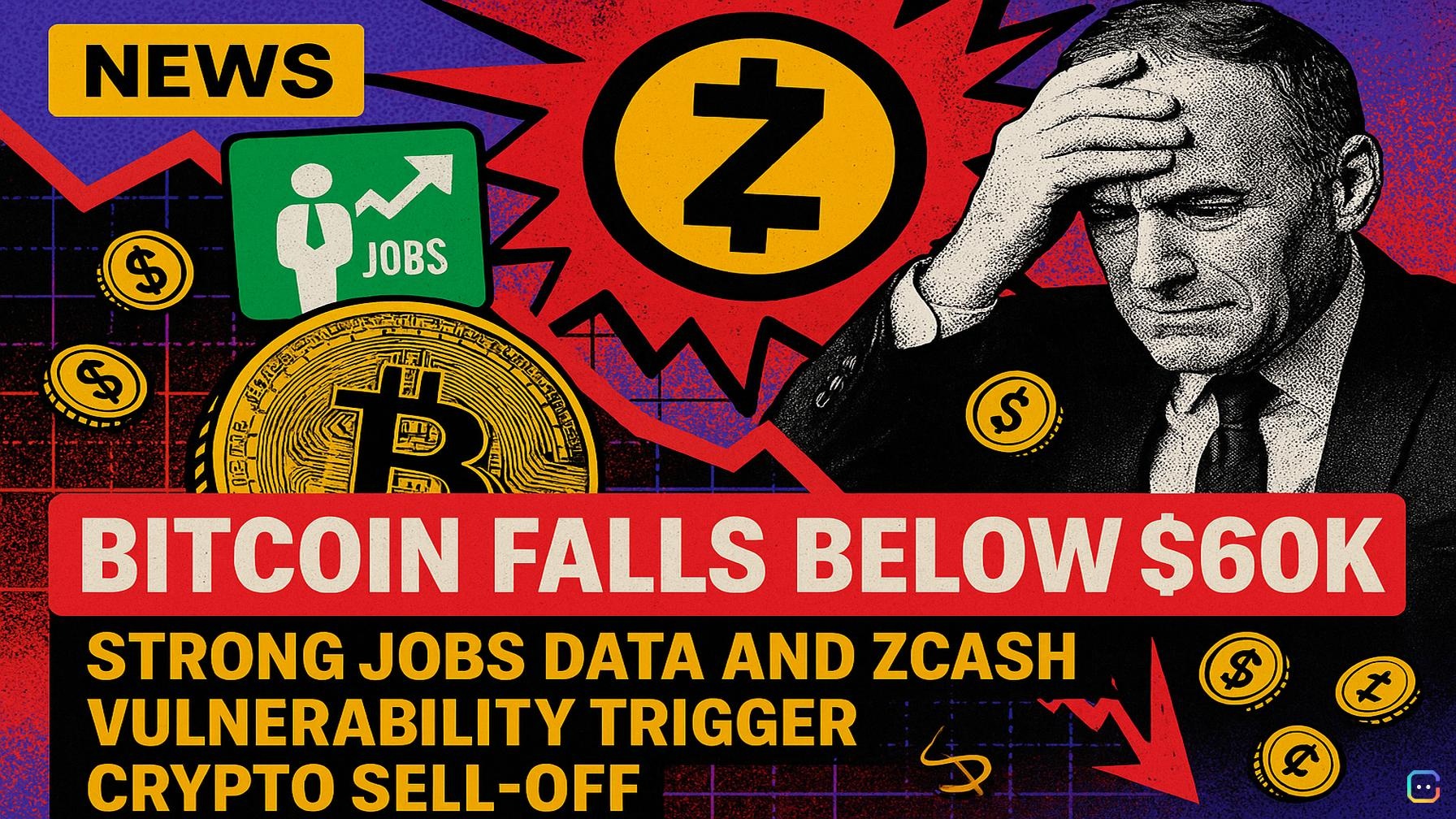
Developers discovered a flaw in Orchard, Zcash’s shielded pool that uses zero-knowledge proofs to enable private transactions. The bug, patched quickly after discovery, raised a theoretical possibility: under certain conditions, counterfeit ZEC could have been created inside the shielded environment without immediate detection. Because shielded transactions are private by design, there’s no straightforward way to retroactively audit all activity and definitively rule out past exploitation.
Immediate market fallout
The market reacted aggressively. ZEC plunged more than 45% at the height of the sell-off as liquidity thinned and traders rushed to shed exposure to an asset now carrying unresolved questions about its supply integrity. The incident reopened a long-running debate about privacy-focused blockchains: zero-knowledge tech is one of the strongest privacy tools available, but its opacity can make historical verification of state changes far harder than on transparent chains.
Hayes’ reasoning
Hayes confirmed he liquidated his ZEC position and also sold HYPE and NEAR. He framed the decision not as a judgment that minting definitely occurred, but as a response to “unresolved uncertainty.” In his words, the “Holy Trinity” thesis he once held no longer applies: even if exploitation appears unlikely, the impossibility of proving it never happened creates a risk profile he’s unwilling to accept in a privacy asset. “The privacy from AI, govt, big tech narrative demands perfection,” he wrote on Twitter.
Broader implications
While HYPE and NEAR had no identified technical link to the Orchard bug, the concurrent sales suggest Hayes was rebalancing broader risk exposure rather than reacting only to ZEC. The episode will likely prompt renewed calls for rigorous audits, improved testing of zero-knowledge implementations, and clearer contingency plans for privacy-preserving systems where retrospective verification is limited.
What to watch next
Key developments to monitor include follow-up audits from Zcash developers, community governance responses, and whether other large holders shift exposure away from privacy-first assets. For investors, the event underscores that the trade-off between privacy and verifiability remains a central technical and market challenge for crypto projects using advanced cryptography.
Read more AI-generated news on: undefined/news