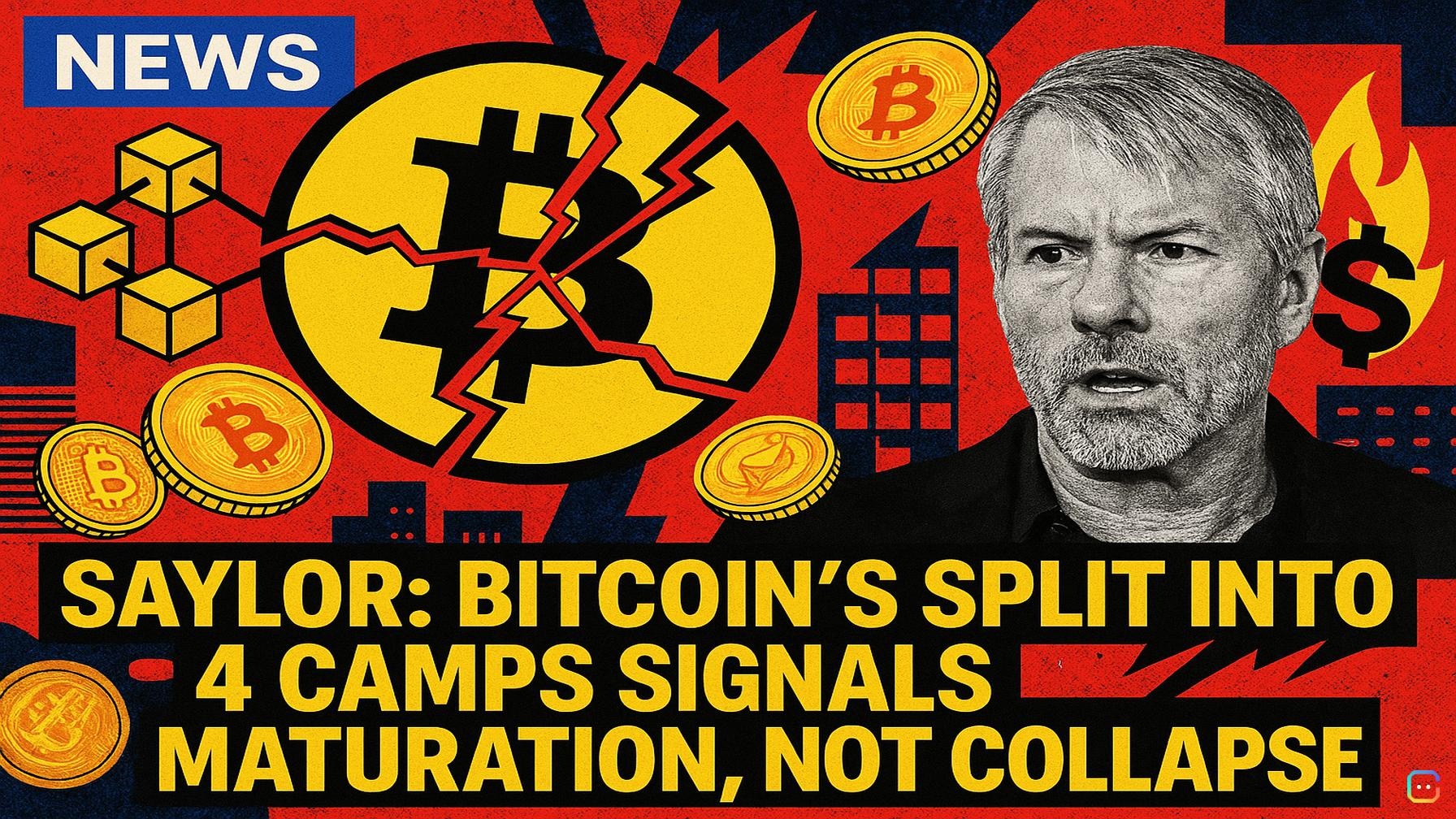
Michael Saylor says Bitcoin is no longer a niche protest — it’s a broad, multi-layered ecosystem that now reaches individuals, corporations, banks, capital markets and governments. In a paper he posted on X on June 5, 2026, the MicroStrategy executive chairman grouped today’s Bitcoin community into four camps and argued the divisions reflect maturation rather than collapse.
Saylor’s four labels:
- Bitcoin Maximalists: View Bitcoin as the primary global digital monetary network — sound money and a hedge against inflation and weak currencies. Saylor says this camp provides Bitcoin with “moral clarity,” even as it wrestles with how the network should interact with banks, public companies and states.
- Bitcoin Capitalists: Push for embedding Bitcoin into portfolios, corporate balance sheets, credit products, custody systems and market infrastructure. This group is most comfortable with institutional custody, corporate treasuries and financial tools built around Bitcoin.
- Bitcoin Technologists: Focus on technical progress — scalability, privacy, security, wallets, usability, custody and hazards like quantum computing. Saylor cautions that upgrades carry risk, because the base layer’s value depends partly on users’ confidence that it won’t be changed carelessly.
- Bitcoin Fundamentalists: Prioritize self-custody, personal nodes, decentralization, immutability and censorship resistance. They worry that banks, custodians, leverage and financial engineering could steer Bitcoin away from the principles that made it worth defending.
Saylor frames these differences as “growing pains” — normal frictions as Bitcoin moves from a fringe movement to mainstream infrastructure. His central point: the base layer can remain intact while markets, custody services and new financial products proliferate around it.
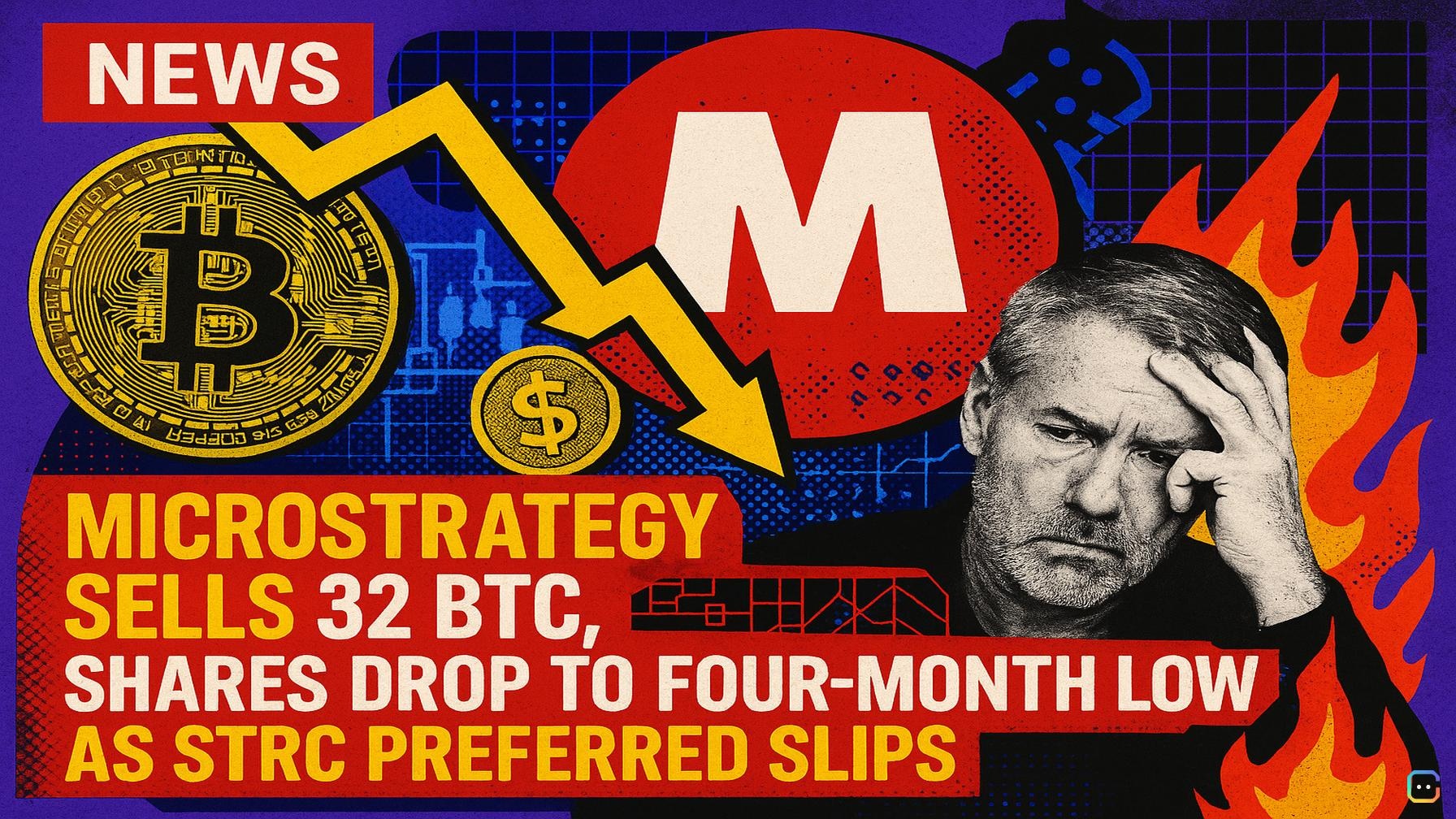
The argument arrives as Strategy, the firm Saylor leads, came under market scrutiny after selling 32 BTC for roughly $2.5 million — its first Bitcoin sale since 2022 — amid a period when Bitcoin was trading near $60,000 and ETF outflows weighed on sentiment. The timing highlights the practical tensions between holding Bitcoin as a long-term ideological asset and using it within corporate finance and capital markets.
Saylor’s paper doesn’t resolve the debate, but it reframes the split as evolution rather than existential failure. Whether that will be enough to calm entrenched camps — or whether each faction will keep insisting it alone is guarding Bitcoin’s soul — remains the question.
Read more AI-generated news on: undefined/news