StarkWare has rolled out a new privacy framework for tokens on Starknet that aims to hide balances and transaction amounts without cutting off compliance and auditability.
Called STRK20, the standard brings shielded ERC‑20-style tokens to Starknet. Users can conceal on‑chain balances and transaction details inside “shielded pools,” while authorized parties can still access relevant data for audits or legal requests using viewing‑key technology. StarkWare says STRK20 offers “practical privacy for all assets” with deep DeFi integration and a one‑click user experience.
Eli Ben‑Sasson, StarkWare’s co‑founder and CEO, stressed that STRK20 is not a guarantee of regulatory approval. The company frames the design as a risk‑based, conditional privacy model: assets are screened before entering shielded pools, and disclosure mechanisms are built in to support lawful oversight when needed.
That approach contrasts with classic privacy coins that aim to obscure most on‑chain data. STRK20 intentionally balances confidentiality and accountability by keeping transaction details private to the public while enabling controlled disclosure to authorized entities under prescribed circumstances.
StarkWare’s launch follows a wider industry shift toward “selective disclosure” privacy tools. On June 8, Sui announced public testing of confidential transfers on its Devnet. Sui’s feature encrypts token balances and transfer amounts but leaves sender and recipient addresses, token types and timestamps visible on‑chain. As with STRK20, Sui says authorized parties can access decrypted data for audits and compliance; a Testnet rollout is planned later this year.
These initiatives reflect a growing trend: developers are building privacy layers that don’t eliminate oversight for institutions, exchanges and regulators. But the tradeoffs and risks remain under scrutiny.
Several recent incidents highlight why. Earlier this month, privacy firm Zama accelerated its compliance roadmap after approximately $12.5 million in USDC held inside its confidential USDC wrapper was briefly frozen under a court order; the restriction was later lifted once the underlying legal request was resolved. Zama emphasized its disclosure tools and procedures for coordinating with regulators after the episode.
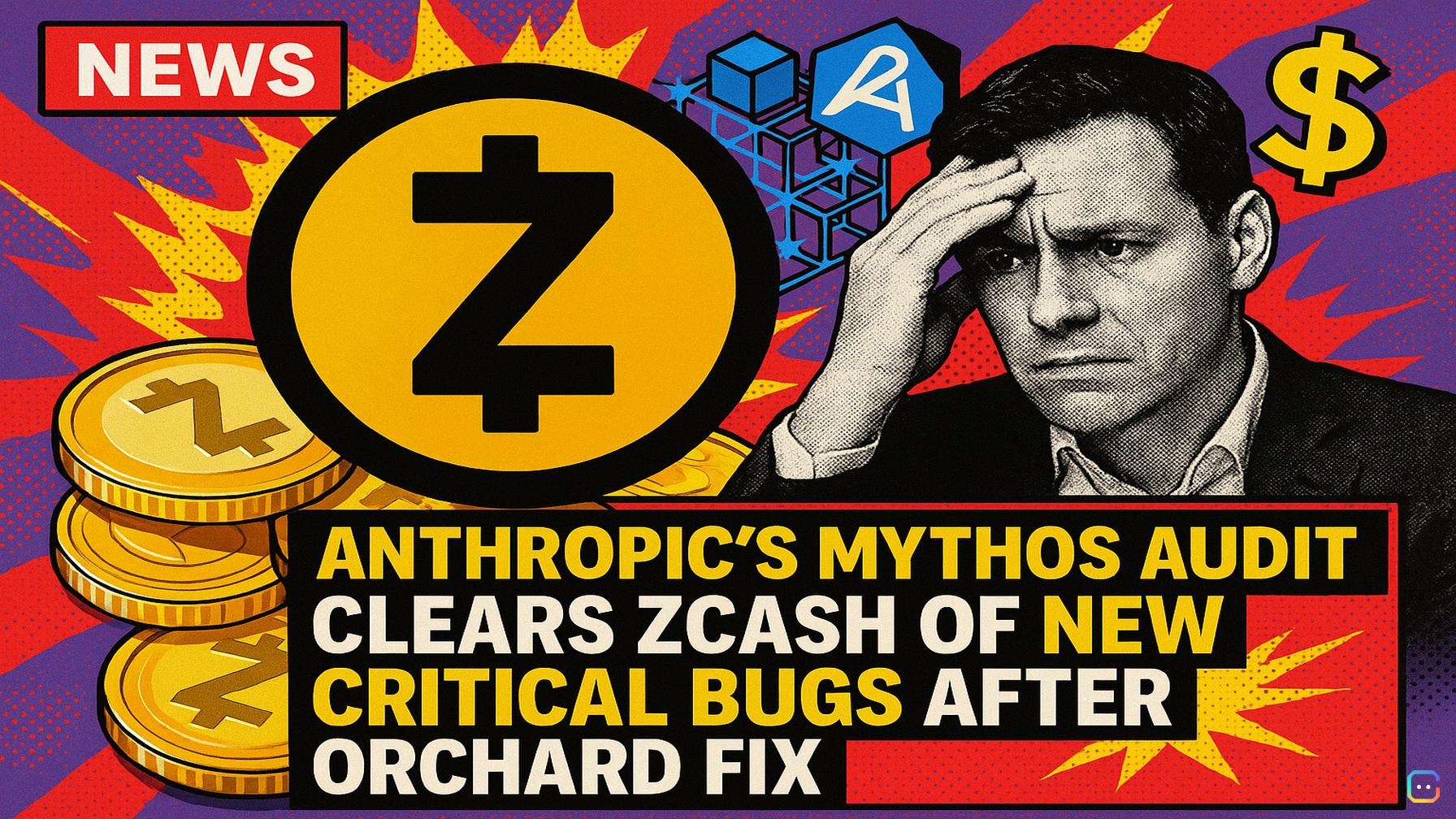
Separately, Zcash developers disclosed and patched a vulnerability in early June that raised concerns about potential counterfeit creation. An emergency network upgrade addressed the issue, and the team reported no evidence of exploitation. Zcash’s maintainers also warned that reconstructing historical activity inside shielded pools can be difficult after vulnerabilities or disclosures — a reminder of the tension between strong confidentiality and the need for post‑hoc verification and oversight.
Taken together, StarkWare’s STRK20 and similar projects like Sui’s confidential transfers illustrate the industry’s attempt to thread the needle: provide meaningful privacy for users while keeping pathways for accountability open for auditors, exchanges and regulators. How regulators and custodial actors respond will shape whether these controlled‑disclosure models gain broad adoption.
Read more AI-generated news on: undefined/news