Headline: Polymarket sues Massachusetts — a test case for who governs prediction markets, and what it means for Web3 projects like SUBBD
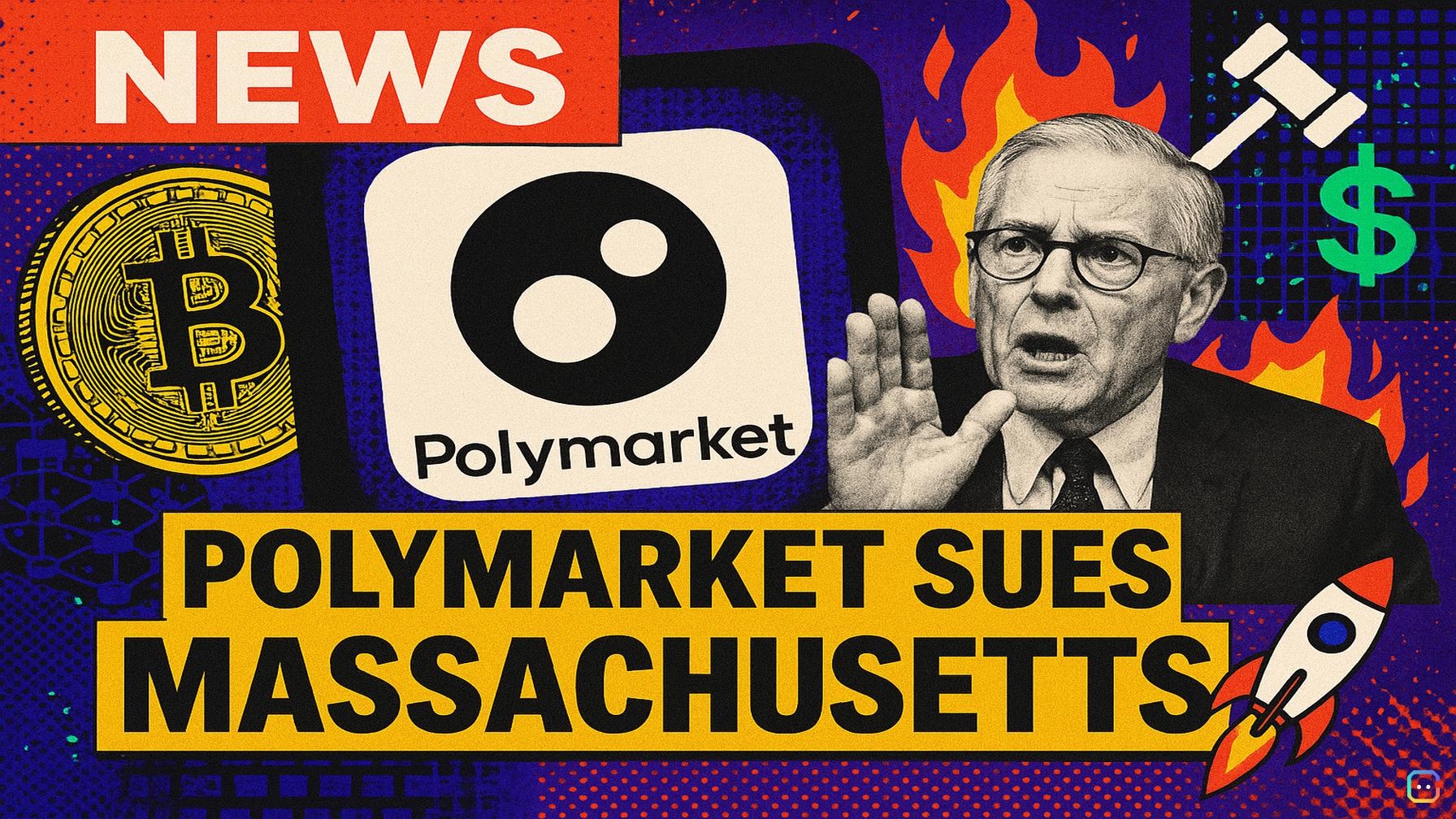
Polymarket, the world’s largest prediction market, has escalated its showdown with regulators by suing the Commonwealth of Massachusetts after the state’s Attorney General issued a cease-and-desist alleging the platform was operating an unlicensed gambling business. Polymarket’s defense is straightforward and high-stakes: federal preemption. The company argues its markets are financial derivatives regulated by the Commodity Futures Trading Commission (CFTC), not games of chance subject to state gambling laws.
Why this matters: classification determines the rulebook. If prediction markets are treated as gambling, they must navigate 50 different state regimes. If they fall under derivatives law, they answer to a single federal regulator — a materially different compliance landscape for any market that trades on real-world events.
The suit follows a regulatory precedent that has emboldened platforms. Kalshi, a regulated competitor, won CFTC approval to offer event contracts, creating a model that other prediction platforms can point to when arguing for federal oversight. The broader clash highlights a recurrent theme in crypto regulation: legacy frameworks struggling to categorize novel Web3 products.
Market reaction has been notable. Rather than fleeing, liquidity in decentralized markets has reportedly deepened as investors hunt for platforms and protocols that promise sovereignty and censorship resistance. That appetite is driving interest not only in permissionless trading but in alternative use cases for blockchain technology — including the creator economy.
SUBBD Token ($SUBBD): a case study in decentralized creator tools
As centralized Web2 platforms continue to capture large shares of creator revenue and control monetization and distribution, projects in Web3 are pitching an alternative: censorship-resistant payments, transparent revenue splits, and token-driven governance. One such entrant is SUBBD Token ($SUBBD), which positions itself as a decentralized infrastructure play for the roughly $85 billion creator economy.
Key elements of the SUBBD proposition:
- Blockchain foundation: Built on Ethereum to remove intermediaries and create a transparent payment layer for creators and fans.
- AI integration: On-platform AI features — including AI personal assistants and voice-cloning tools — intended to help creators scale content without burnout.
- Token-driven governance: Holders can vote on product features and creator curation, steering the platform’s roadmap and community standards.
- Membership and monetization: “HoneyHive” membership tiers and token-gated content aim to align token utility with platform engagement and growth.
- Early metrics and incentives: According to presale figures, SUBBD raised $1.47M in early funding. The token’s current presale price is reported at $0.057495. The protocol is offering a time-limited staking program that yields a fixed 20% APY in year one for locked tokens, plus platform-specific perks for stakers (exclusive livestreams, behind-the-scenes drops, and XP multipliers).
Why investors are watching
For some investors, projects like SUBBD represent practical, utility-focused applications of decentralization: solving concrete problems (high platform fees, opaque revenue splits, centralized censorship) rather than depending solely on speculative demand. Combining token incentives, staking, governance, and AI tools aims to create a defensible product that benefits from network effects as creators and fans migrate to on-chain monetization.
Bottom line
Polymarket’s lawsuit against Massachusetts is more than a single legal dispute; it’s part of a broader battle over how Web3 platforms will be regulated and who gets to decide. While the courts and regulators work through those questions, builders are doubling down: some are defending permissionless markets, others are building alternative economic infrastructure for creators. Projects like SUBBD seek to capitalize on that momentum by marrying blockchain payments, token governance, and AI tooling into a single platform — but prospective users and investors should approach with careful due diligence.
This article is informational and not financial advice. Cryptocurrencies are volatile and regulatory outcomes can materially affect project viability. Always do your own research before investing.
Read more AI-generated news on: undefined/news