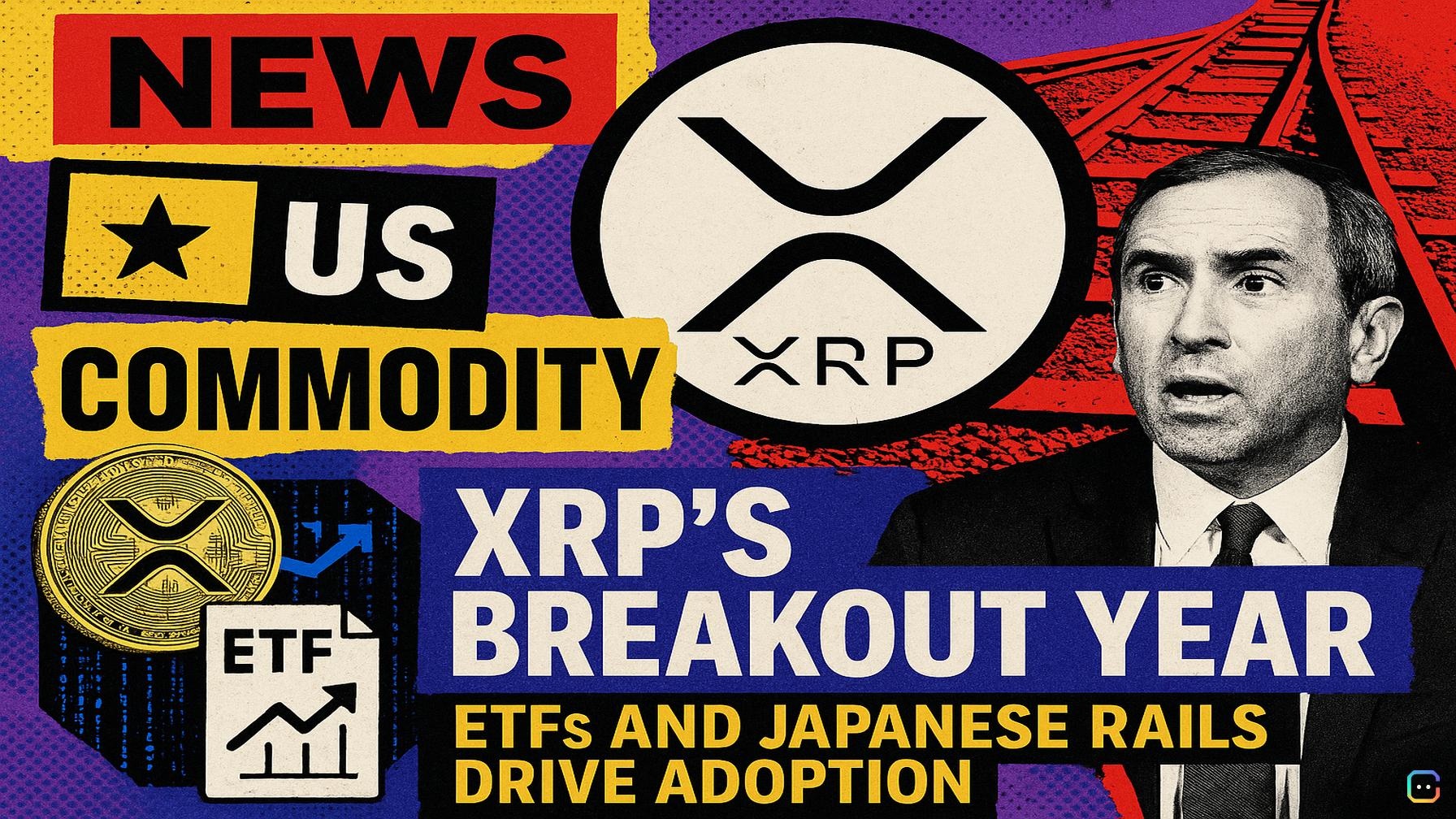
XRP’s bid to become a top global crypto is no longer just community hype — recent regulatory rulings, live payment rails and rapid institutional uptake are turning the argument into reality.
What changed
- Regulatory clarity: On March 17, 2026, the SEC and CFTC jointly classified XRP as a digital commodity, putting it on the same legal footing as Bitcoin and Ethereum and effectively ending the long-running securities dispute that shadowed Ripple since 2020. That decision made XRP one of 16 digital assets with formal US legal status, according to BlockNow’s “Clean 16” breakdown. The CLARITY Act, expected in late April 2026, would further cement that commodity status.
- Institutional capital and products: Over the past year, institutional structures that didn’t exist before — spot ETFs, bank partnerships and tokenization platforms — have been built around XRP. US spot XRP ETFs passed $1.5 billion in assets under management in early 2026, and new investment vehicles are now commercially viable following shifts in regulation and tax policy.
- Real-world payments: Japan has moved XRP adoption beyond pilots into live, large-scale usage. XRP is on the JVCEA Green List and is carried by 20 member exchanges, ranking it third in Japan’s regulated crypto ecosystem behind BTC and ETH. Major Japanese banks including Mizuho Bank and SMBC Nikko, as well as Securitize Japan, have integrated with the XRP Ledger to create a regulated infrastructure layer for broader deployment. SBI Ripple Asia — through SBI Remit — operates visible remittance corridors that use XRP as a bridge asset to settle transfers from Japan into Southeast Asian bank accounts in real time.
Why it matters
- Japan’s 2026 tax reform cut crypto taxes to a flat 20%, unlocking the economic feasibility of XRP-linked ETFs and investment trusts that were previously impractical. That fiscal change, together with on-ledger payment corridors and institutional partnerships, has turned Japan into a live testing ground for XRP’s utility at scale.
- Political legitimacy: President Trump publicly referenced XRP as a potential component of an official US strategic reserve, a high-profile moment that some see as conferring unusual political legitimacy.
- Market reaction: As Bitget Wallet CMO Jamie Elkaleh put it, “Japan already features live remittance corridors using XRP as a bridge asset. Most notably, SBI Remit operates corridors where transfers from Japan settle into Southeast Asian bank accounts. The path from adoption to visible usage is shorter.” Ripple’s Chief Legal Officer Stuart Alderoty added: “We always knew XRP wasn’t a security — and now the SEC has made clear what it is: a digital commodity. Grateful to the Crypto Task Force for working to deliver the clarity that markets, investors, and innovators have long deserved.”
Skepticism and the path forward
Some commentators, like crypto video host Levi Rietveld, have declared XRP “the world’s most important asset.” That remains a bold claim and arguably stretches beyond current data. Still, verifiable shifts are stacking in XRP’s favor: clear US regulation, live cross-border payment corridors, and rapid institutionalization through ETFs and bank integrations. Whether XRP reaches the status of “most important asset” will depend on how widely global finance adopts and builds on this emerging infrastructure.
Bottom line
XRP’s position has strengthened materially in 2026. Regulatory clarity, live settlement rails in Asia, new institutional products and growing AUM have moved it from theoretical use case to tangible infrastructure. The next chapters will be decided by continued adoption, product rollout and whether other markets follow Japan’s lead.
Read more AI-generated news on: undefined/news