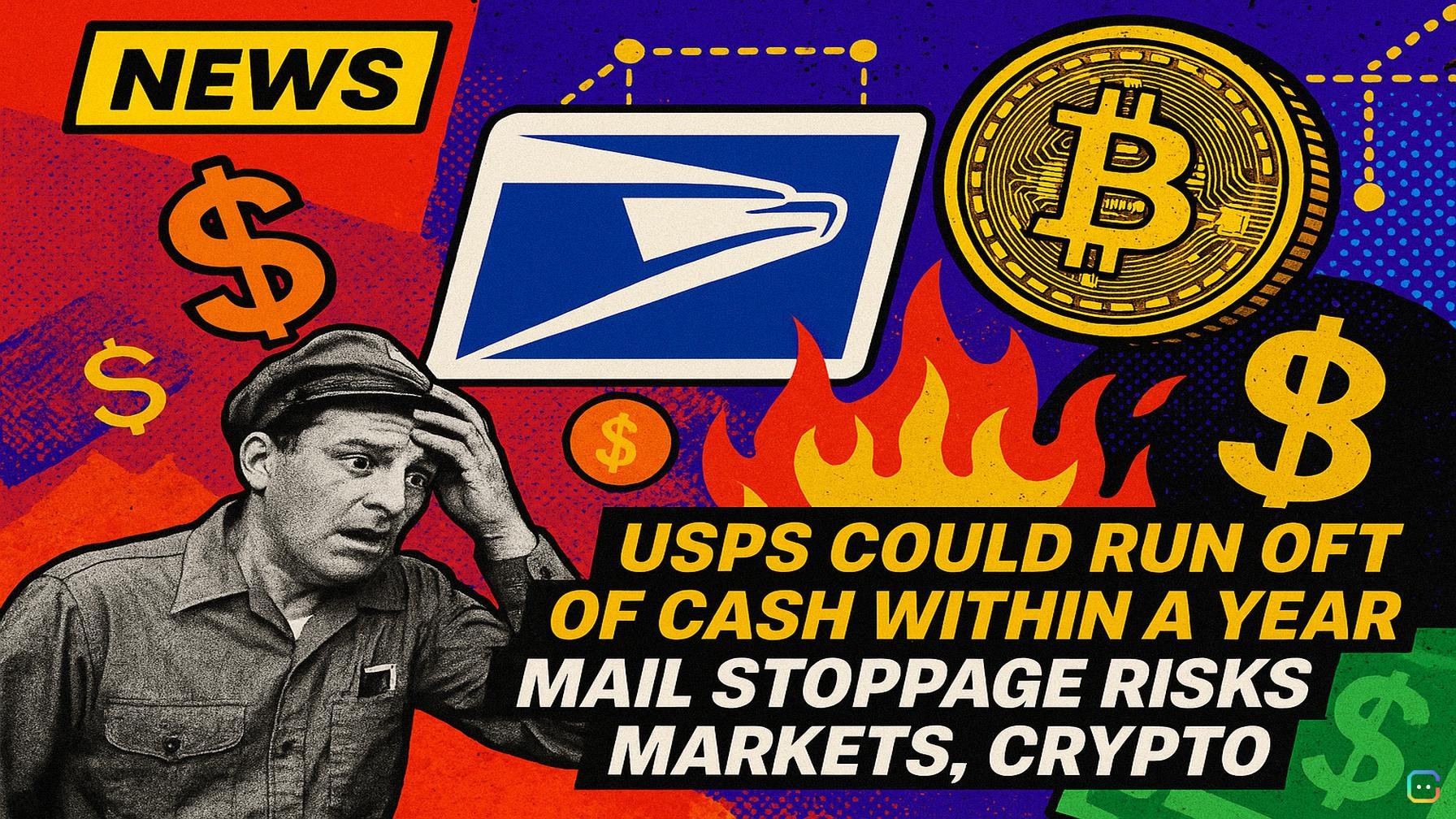
The U.S. Postal Service is hurtling toward a cash crunch that could force mail deliveries to stop within a year — a disruption with implications far beyond missed letters and late packages. Postmaster General Louis DeJoy (note: original article named David Steiner — please confirm correct current name if needed) told a House Oversight subcommittee in mid‑March that, at current burn rates, USPS will run out of operating cash in less than 12 months. The warning thrust the agency’s funding crisis back onto Capitol Hill and into the headlines.
What the USPS has done so far
- To buy time, the Postal Service has suspended contributions to the Federal Employees Retirement System. The Postal Regulatory Commission approved a waiver allowing the Postal Service to defer those pension payments, potentially freeing up to $15 billion through September 2030.
- That measure eases short‑term pressure but does not address USPS’s long‑term structural problems.
Why USPS is broke
- USPS does not get taxpayer funding for operations; it relies on stamps and service fees.
- First‑class mail — historically the agency’s most profitable product — has plunged as email, text messaging, and electronic payments replace paper letters and mailed checks.
- Big shippers are shifting away: Amazon, USPS’s largest package customer, has said it may cut the volume it routes through the Postal Service by as much as two‑thirds by September. That loss would further shrink revenue.
Who would suffer if mail slows or stops
- Health: About 6% of diabetes prescriptions in the U.S. are delivered by mail. Some 3.7 million Medicare enrollees live in areas with limited pharmacy access and depend on postal delivery for medications.
- Rural communities: USPS’s universal service obligation guarantees equal service to rural and urban areas; any rollback of service would disproportionately hit rural Americans.
- Markets and regulated entities: Financial documents, checks, statements, and regulatory notices delivered by mail would be disrupted — a risk to businesses and markets that still depend on physical document flows. That includes knock‑on effects for sectors where timely paper delivery matters.
What watchdogs and lawmakers are saying
- The Government Accountability Office called USPS’s business model “unsustainable” and urged “urgent action” in a report released alongside the testimony.
- Postmaster General’s three requests to Congress: (1) raise USPS’s borrowing limit with the Treasury so it can access more capital; (2) remove the current cap that limits the Postal Regulatory Commission to one rate increase per year through 2030 so the agency can price services more flexibly; and (3) give USPS more flexibility on its universal service obligations.
- Republican committee members pressed the agency on internal cost‑cutting, noting Congress already enacted the Postal Service Reform Act in 2022, which the committee says saved USPS roughly $107 billion.
Political and market context
- A rescue bill faces stiff competition for legislative time: the Iran war fallout, CLARITY Act negotiations, and political positioning ahead of midterms are already crowding the 2026 calendar.
- Crypto.news has highlighted that disruptions to government‑dependent services — including postal delivery of legal and financial documents — can spill over into markets, adding operational and regulatory risk for firms that still rely on physical mailings.
Bottom line
USPS’s short‑term fix provides breathing room but not a solution. Lawmakers must weigh whether to loosen borrowing and pricing rules or allow changes to universal service guarantees — and do so against a crowded agenda. As the Postmaster General bluntly told Congress: “The mail will stop” if the agency cannot meet its obligations, including delivery of prescription drug packages. For industries and consumers who still rely on mailed documents and medicines, the stakes are high — and for markets, the ripple effects could be tangible.
Read more AI-generated news on: undefined/news