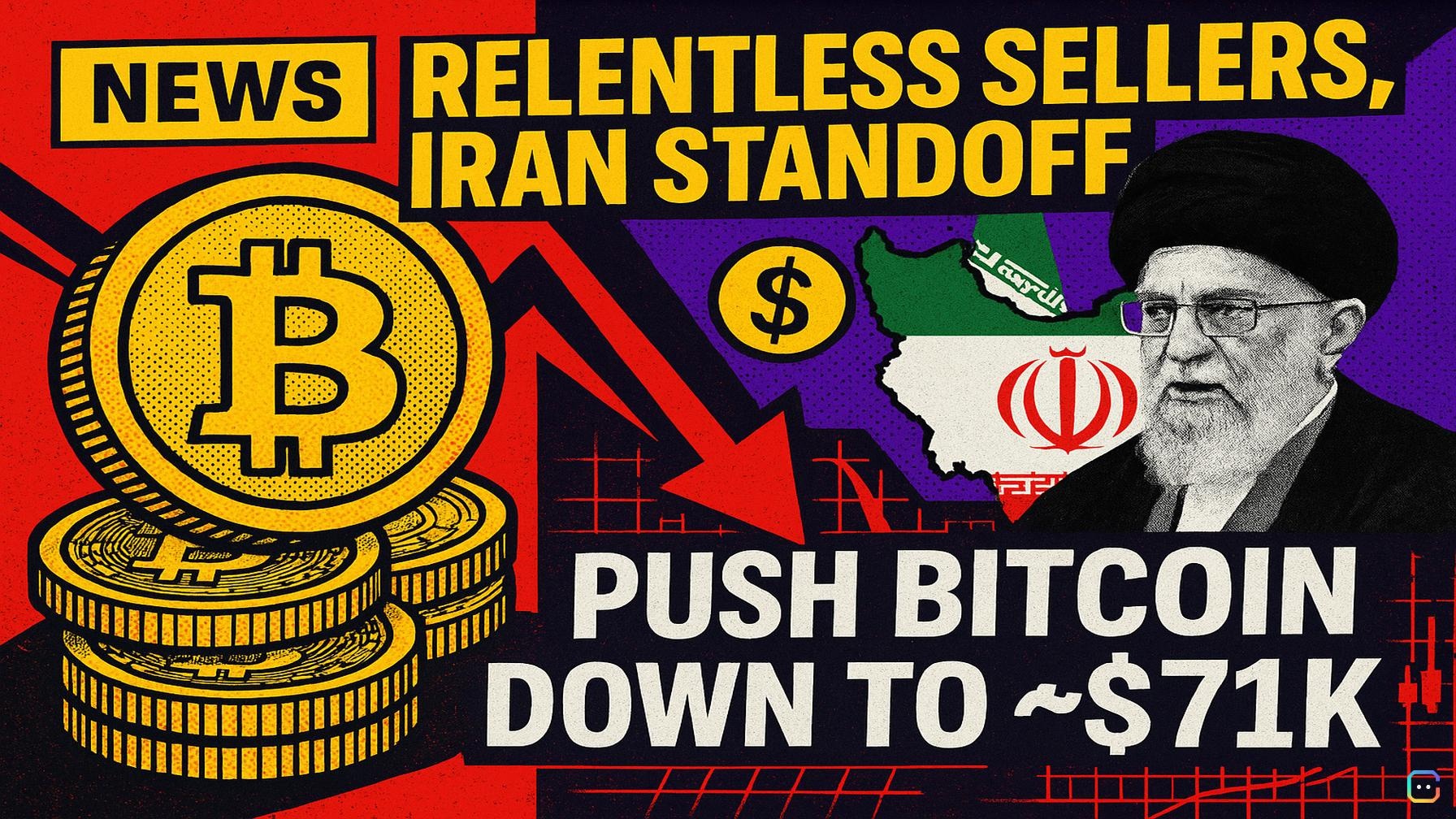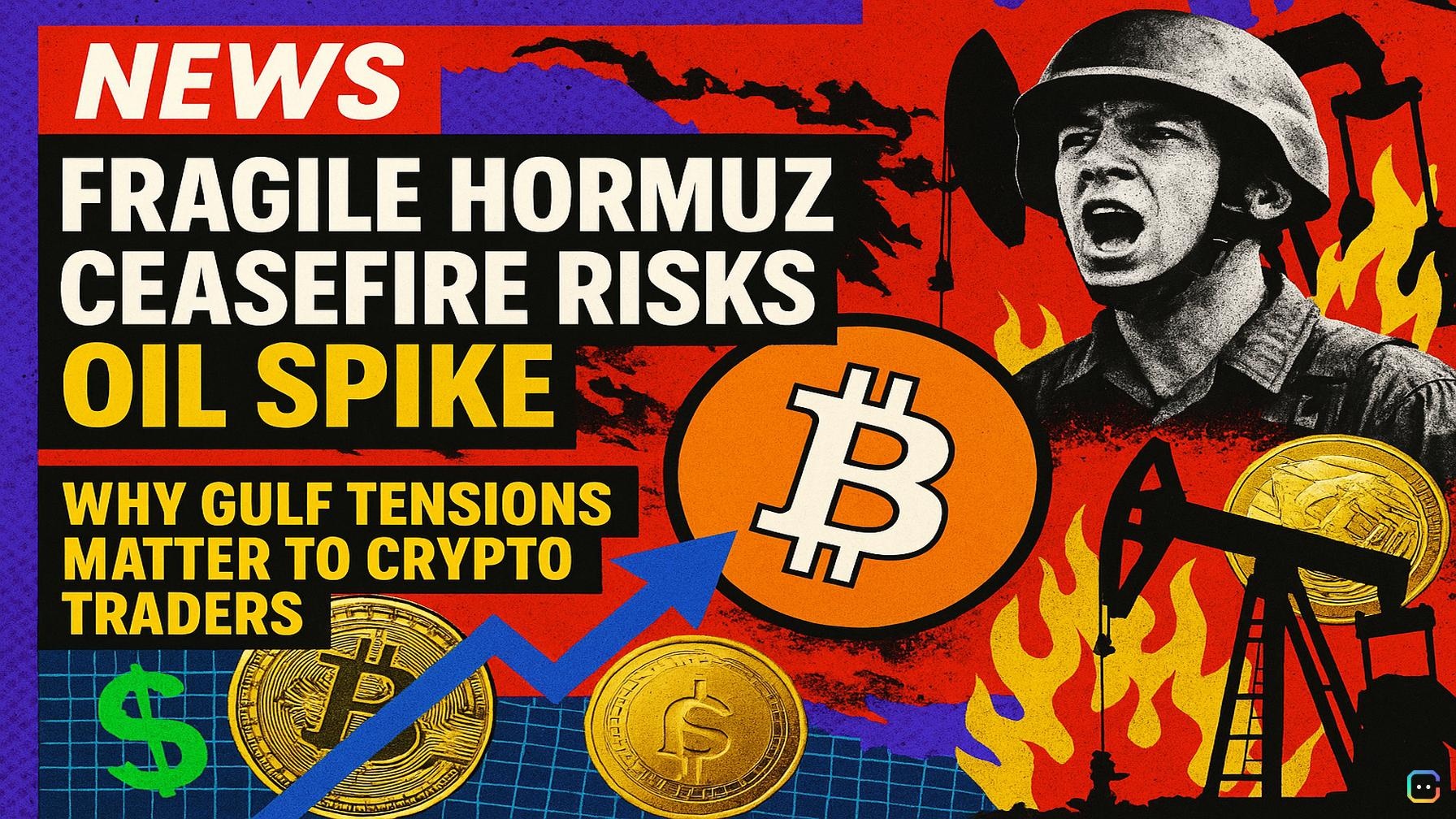
Keir Starmer told MPs today that the recent ceasefire in the Israel–Iran flare-up is welcome but “highly fragile,” and must explicitly cover Lebanon if it is to hold. Speaking after a Gulf trip where he discussed deeper UK defence ties with regional leaders, Starmer warned that reopening the Strait of Hormuz and restoring safe shipping won’t be easy, and will require sustained diplomatic and practical measures. The UK and France will host a summit this week to coordinate those efforts and discuss measures to protect shipping.
Why crypto traders should care: any disruption to the Hormuz shipping lane or rises in oil and insurance costs can ripple into broader markets — fuelling volatility that often spills over into crypto prices and affecting energy costs relevant to mining and data centres.
Ceasefire scope and rhetoric
- Starmer stressed the ceasefire’s fragility and argued it must include Lebanon; he condemned Israeli strikes as “wrong.”
- Liberal Democrat leader Ed Davey condemned Donald Trump’s recent threat to “wipe out” Iranian civilisation, calling the remarks “reckless, immoral” and arguing Trump is “no friend of the United Kingdom.” Davey urged the UK to call off Trump’s planned state visit.
- Starmer said Trump’s language “was wrong” and would not be used by his government, but defended the state visit as a way for the monarch to sustain long-standing ties.
Government response and Commons exchanges
- In the Commons, Tory MP Kemi Badenoch urged cross-party cooperation on boosting defence spending and rapid action to ease energy costs — proposing scrapping a planned fuel duty rise and approving North Sea developments such as Rosebank and Jackdaw.
- Badenoch warned a nuclear-armed Iran would be an existential threat to the UK and said Britain must be clear “whose side we are on” — naming Middle Eastern allies and the US.
- Starmer pushed back, criticising the Conservatives for hollowing out the armed forces and rejecting Badenoch’s overtures for cooperation. Labour MPs laughed during her plea for bipartisanship; Badenoch replied that the laughter showed an unwillingness to cooperate.
Energy and defence posture
- Starmer reiterated that oil and gas will remain part of the UK’s energy mix for years, but argued the UK cannot control global oil prices — underscoring the need to accelerate the transition to renewables.
- He cited the current energy price cap as easing in the short term but warned the country must not default to returning to the old status quo after an energy shock.
Other political headlines with market relevance
- Scottish Labour leader Anas Sarwar launched his 94‑page manifesto in Edinburgh, pledging to prioritise the NHS, cut waiting times, build 50,000+ affordable homes, invest in rail, and hire teachers and classroom assistants. Sarwar said a UK Labour government “would, of course, work with the Scottish government.”
- Sarwar’s campaign faces an uphill battle in polls, and his manifesto includes big spending plans the party says are funded from existing forecasts — despite a projected near‑£5bn budget shortfall in the Scottish government later this decade.
Health politics and political attacks
- Health Secretary Wes Streeting challenged Nigel Farage to clarify whether a Reform UK government would charge patients to use healthcare, accusing Reform of avoiding clarity on NHS plans and warning their statements have suggested moves toward insurance-based models.
- Farage denied plans to privatise or charge for NHS services and said Reform is working on “radical ways of getting better bang for buck.”
- Tax expert Dan Neidle said Farage misrepresented his comments about Richard Tice’s tax affairs and asked for a retraction.
Party turmoil on the left in Scotland
- All 12 remaining members of one party’s interim Scottish executive committee resigned, accusing UK leadership of sidelining Scotland by withholding funding and ignoring calls for autonomy. They described the party as “deeply flawed and dying” and said they would continue building a new left alternative outside those constraints.
Other notes
- Four Commons ministerial statements are scheduled after 3.30pm: Starmer on the Middle East; Home Secretary Shabana Mahmood on the Southport inquiry; Foreign Office minister Stephen Doughty on the Chagos Islands deal; and a defence ministerial update on Russian activity in the North Atlantic.
- The Guardian Politics Weekly podcast’s latest episode covers the Hungarian election, UK alignment with the single market, and developments in the Strait of Hormuz.
Bottom line for crypto audiences: geopolitical tensions in the Gulf and broader UK political maneuvering are driving energy and market uncertainty. That can translate into short-term price swings across assets, affect crypto liquidity and sentiment, and influence operational costs for energy‑intensive crypto infrastructure. Keep an eye on shipping and oil developments, the UK–France summit on Hormuz safety, and any policy shifts on energy and defence that could reshape market risk.
Read more AI-generated news on: undefined/news