Headline: Ethereum Foundation-led initiative helps unmask ~100 North Korean IT operatives inside crypto firms, recovers $5.8M+
The Ethereum Foundation says a six-month security push has exposed about 100 IT workers tied to North Korea and produced tangible results for the crypto ecosystem.
What happened
- The ETH Rangers Program — a collaboration between the Ethereum Foundation and independent blockchain security groups — ran for roughly half a year and focused on identifying compromised personnel and technical vulnerabilities across projects.
- The Foundation reports the program helped recover more than $5.8 million, flagged 785+ vulnerabilities, triggered dozens of incident responses, and identified 100+ individuals with links to the Democratic People’s Republic of Korea (DPRK).
- The findings were shared in a recap tweet and a Foundation blog post this week.
How the detections were made
- Research was led by the Ketman Project, which co-authored a framework for identifying DPRK-affiliated workers with the Security Alliance (SEAL).
- Independent investigators, including blockchain sleuth Nick Bax, notified more than 30 teams that DPRK workers were on their payrolls. Bax’s outreach helped freeze hundreds of thousands of dollars in crypto tied to suspected bad actors.
Why this matters
- UN and U.S. reporting has underscored the scale of DPRK’s overseas IT deployments: a 2023 UN report estimated 3,000–10,000 IT workers abroad, while U.S. State Department-linked data put as many as 1,500 in China with plans to expand to Russia.
- North Korean-linked cybercrime is lucrative and persistent. Chainalysis found DPRK-affiliated actors stole a record ~$2 billion in crypto in the past year (a roughly 51% increase year-on-year).
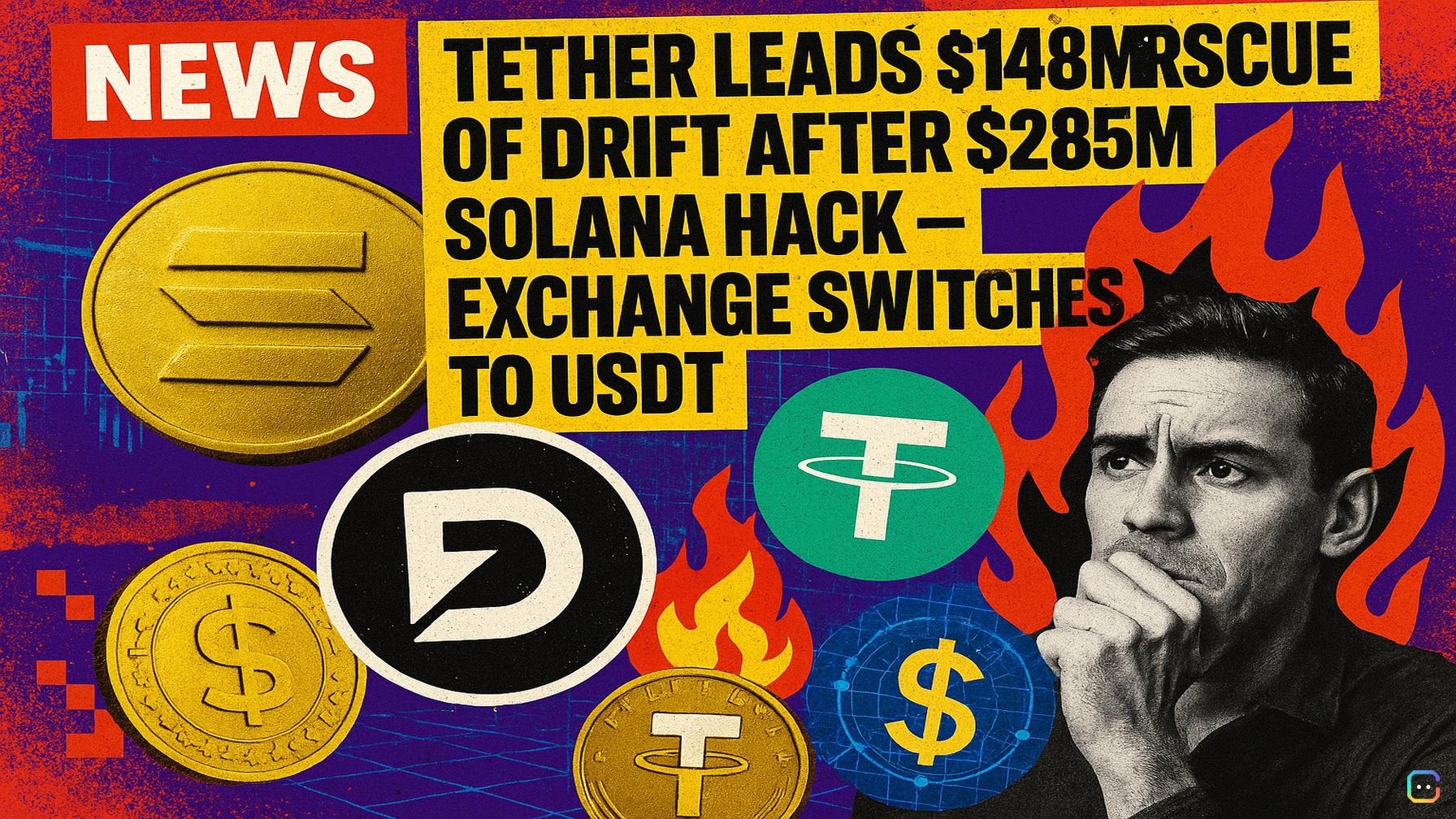
- DPRK operatives often gain privileged access by infiltrating companies and services — enabling long-running social-engineering campaigns such as the recent $285 million heist from Drift Protocol, which Solana-based Drift attributed this month to a months-long campaign tied to DPRK actors.
Enforcement and prosecutions
- The Ethereum Foundation’s disclosures coincided with U.S. Justice Department action. Two U.S. nationals were sentenced to at least seven years after admitting they helped DPRK workers pose as Americans to infiltrate about 100 companies; prosecutors say the pair received roughly $700,000 for their roles. The DOJ also noted eight other defendants linked to the scheme remain at large.
Takeaway
The ETH Rangers Program illustrates that coordinated, decentralized defenses — combining open-source research, security firms, and community notification — can make measurable dents in DPRK’s human and technical threat vectors. But the scale of overseas DPRK IT deployment and continued high-value thefts show the threat is far from over. Crypto projects should continue to harden hiring and access controls, share intelligence, and invest in operational security to reduce the risk of insider compromise.
Read more AI-generated news on: undefined/news