Headline: Europe’s crypto landscape braces for shakeout as MiCA transition period closes on July 1
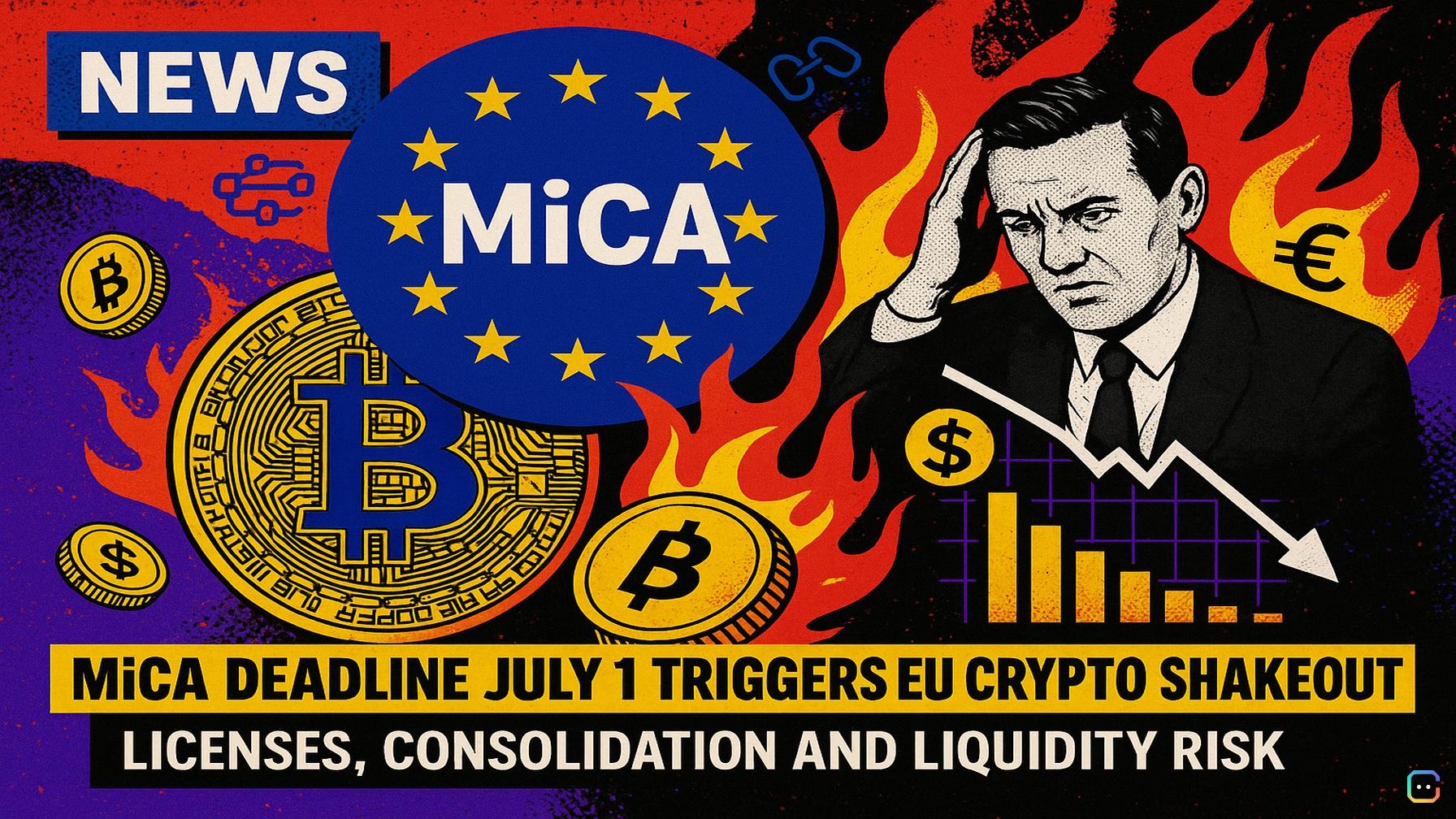
Europe’s crypto sector is entering a decisive moment. On July 1 the transition period for the EU’s Markets in Crypto-Assets regulation (MiCA) expires, eliminating the window that allowed firms to operate under older national rules. From that date, companies serving EU users will generally need a MiCA license — a single authorization that passports across all 27 member states.
Supporters say the change should bring clarity and trust. Alexis Sirkia of trading-infrastructure firm Yellow Network calls the deadline “a new phase of growth,” arguing that clearer rules will underpin broader adoption. “MiCA’s success won’t be measured by the number of licences issued, but by whether it helps drive broader adoption,” he said.
But the reality is messy and potentially painful. According to the European Securities and Markets Authority (ESMA) public register, only around 200 firms currently hold full CASP (crypto-asset service provider) authorizations — a small slice of the pre-MiCA market. Avital Haitovich, partner and head of blockchain at Gornitzky law firm, says that low take-up is unsurprising: applications can run to hundreds of pages covering governance, AML controls, capital adequacy and operational resilience, followed by multiple rounds of regulator questions. By mid-2026, she notes, some member states had still not issued their first MiCA licences.
Haitovich sums up the central trade-off: MiCA strengthens the European market with a harmonized rulebook and a single passport, making the bloc easier for institutions to navigate — but the compliance cost is likely to accelerate consolidation. That, she warns, could leave a market that is “smaller, more concentrated, and more tightly supervised,” and could push liquidity offshore.
The strain is already visible among major players. Reuters has reported that Binance, the world’s largest crypto exchange, is likely to be denied an EU licence, with Greece’s market regulator expected to reject its application before the deadline. Binance says it believes it is compliant and remains “willing and ready to operate under a truly harmonized MiCA regime,” while warning that reduced access could weaken liquidity and competition across the bloc.
Market participants see a consolidation wave coming — and some think it’s overdue. Joe Buttram, CEO of digital-asset infrastructure firm Field Digital, calls the deadline “an inflection point in Europe’s crypto brokerage sector.” He argues that fragmented European brokerages struggle to compete with global rivals and predicts an uptick in acquisitions as firms seek scale and regulatory certainty.
The regulatory clampdown is also reshaping venture capital dynamics. Varun Datta, CEO and founder of early-stage firm Truth Ventures, says the Binance episode highlights that scale does not equal regulatory durability. With clearer rules, Datta says, capital is being steered toward founders who treat compliance and governance as a core product feature — teams building for long-term adoption rather than short-term growth.
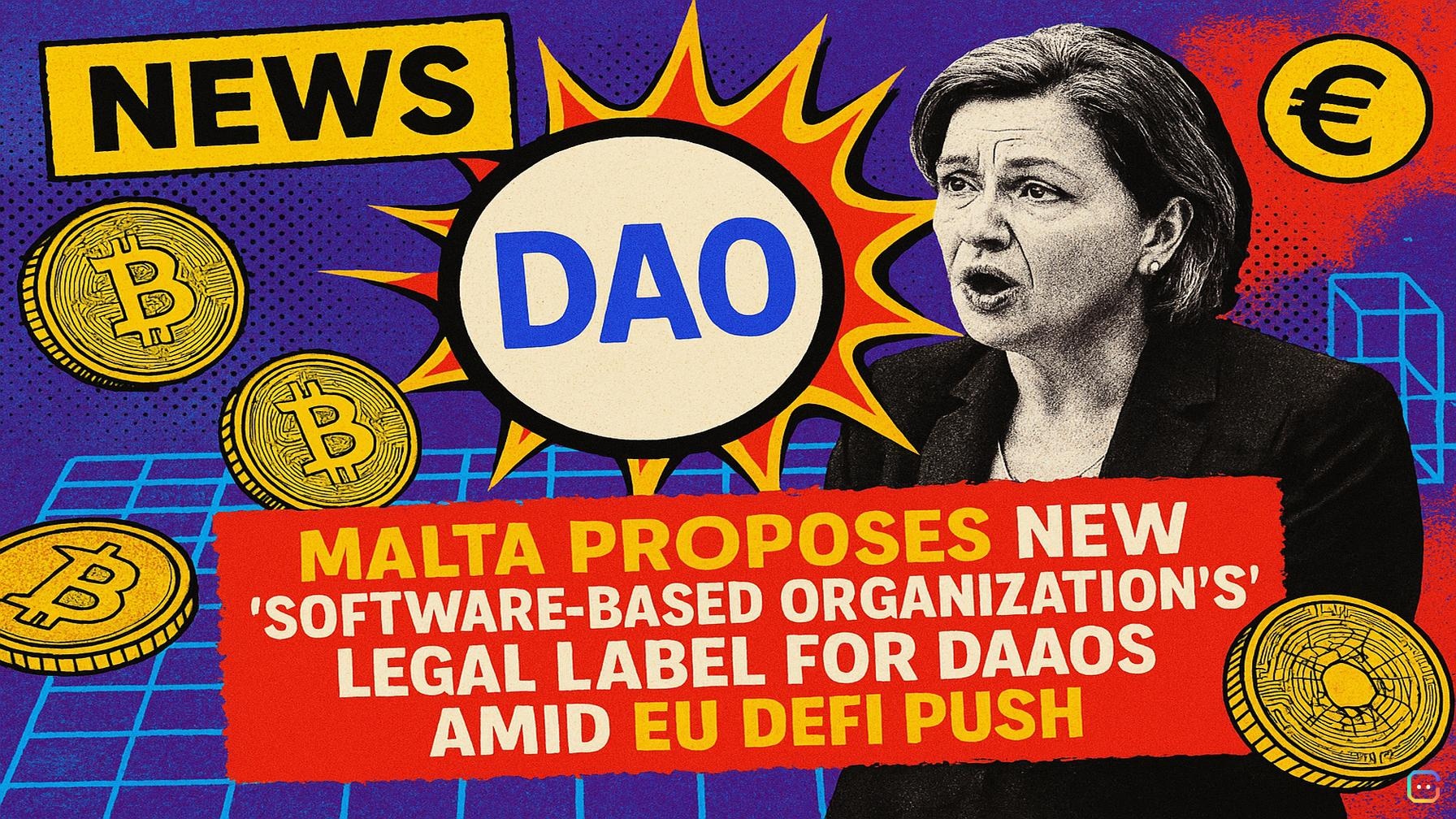
Regulators aren’t stopping at centralized platforms. Malta’s financial regulator this week opened a consultation on how decentralized finance (DeFi) should be treated under MiCA, noting that many projects branded as “decentralized” retain centralized features such as administrator keys, governance control and upgrade rights. The Malta Financial Services Authority’s discussion paper — open for feedback until July 10 — asks whether decentralization should be viewed as a spectrum, and when a protocol should fall outside MiCA’s scope.
The end of the transition period is only the first step in creating Europe’s crypto regulatory landscape. If policymakers can strike the right balance between investor protection, market integrity and innovation, industry figures say MiCA could become a magnet for the next generation of blockchain startups and institutional capital. But in the short term, the deadline looks set to trigger consolidation, a reallocation of liquidity, and intense regulatory scrutiny — making the months ahead pivotal for Europe’s crypto ecosystem.
Read more AI-generated news on: undefined/news