Ripple just cleared a notable milestone that could reshape how institutions interact with digital assets — and potentially influence XRP’s outlook.
What happened
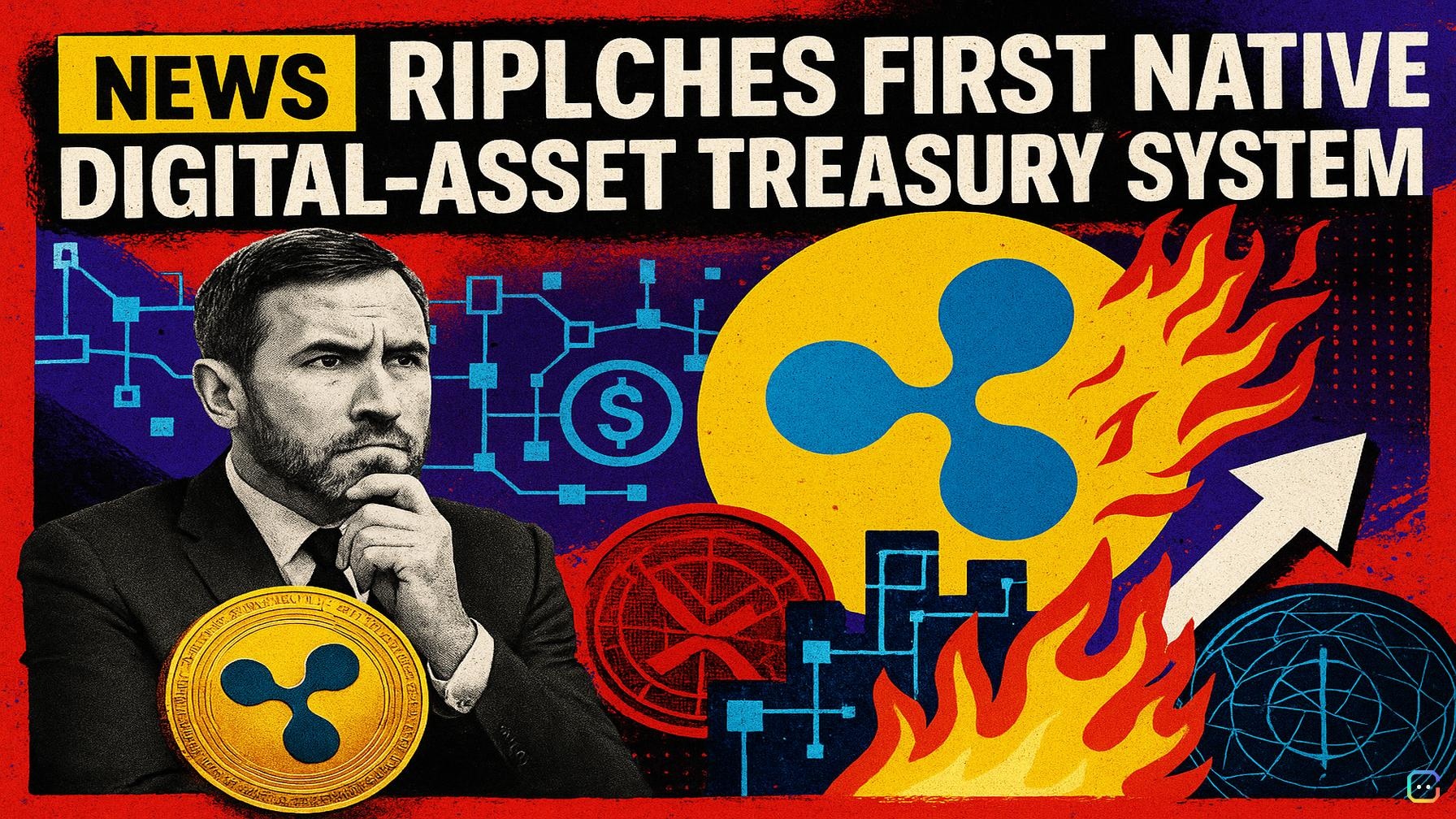
- In April, Ripple launched what it calls the first Treasury Management System (TMS) with native digital-asset capabilities, part of its newly rebranded Ripple Treasury after acquiring GTreasury. The rollout introduces Digital Asset Accounts and a Unified Treasury interface that, according to Ripple, lets CFOs and treasury teams view, hold, receive and manage both fiat and digital liquidity across banks and custody providers from a single system.
- Ripple says this eliminates manual reconciliation and platform-hopping and claims no other treasury system currently offers this unified fiat-and-digital capability.
Why it matters for XRP
- Institutional adoption: If large corporates adopt Ripple Treasury to manage combined fiat and crypto liquidity, it could raise institutional trust in Ripple’s stack and expand on‑ramps for digital assets. That adoption may indirectly support demand for Ripple’s products and, over time, boost XRP usage in payments or liquidity rails.
- Market confidence: Even without direct XRP use in every treasury function, broader enterprise uptake of Ripple’s solutions can lift market sentiment around the company and its token, which could create upward pressure on XRP’s price.
Voices from the industry
- Cardano founder Charles Hoskinson stirred debate with an X post highlighted by analyst Xaif Crypto. Hoskinson argued Bitcoin’s dominance could be vulnerable if another asset overtakes it by market cap, claiming BTC lacks the same technical capabilities and growth backers as projects like Ethereum and XRP. He also suggested XRP faced targeted legal pressure after briefly surpassing Ethereum in 2018—claims that have resonated with many in the XRP community. These comments add to ongoing conversations about market structure and competition among major crypto projects.
Regulatory backdrop: CLARITY Act progress
- On April 8, the White House published a report that downplayed banks’ concerns about stablecoin yields — a sticking point slowing progress on the CLARITY Act. The report estimated that banning stablecoin yields would lift bank lending by only about 0.02% (roughly $2.1 billion), a figure the paper framed as negligible relative to potential gains for stablecoin users.
- The takeaway: policymakers may be weighing a more permissive stance on stablecoin yields than some banks urged, a shift that could benefit stablecoin projects — including Ripple’s RLUSD — and the broader crypto market if it translates into clearer regulation and greater adoption.
What to watch next
- Uptake metrics for Ripple Treasury among corporates and any public partnerships or client confirmations.
- Whether Ripple integrates XRP as a liquidity layer in treasury workflows or if enterprise use remains focused on stablecoins and custody services.
- Movement on the CLARITY Act and related regulatory signals that could affect stablecoin utility and institutional risk appetite.
Bottom line: Ripple’s new TMS is a practical step toward bridging traditional treasury operations with crypto-native tools. Combined with shifting regulatory tones and renewed industry debate about market leadership, these developments could meaningfully shape institutional engagement with Ripple — and, indirectly, the trajectory for XRP.
Read more AI-generated news on: undefined/news