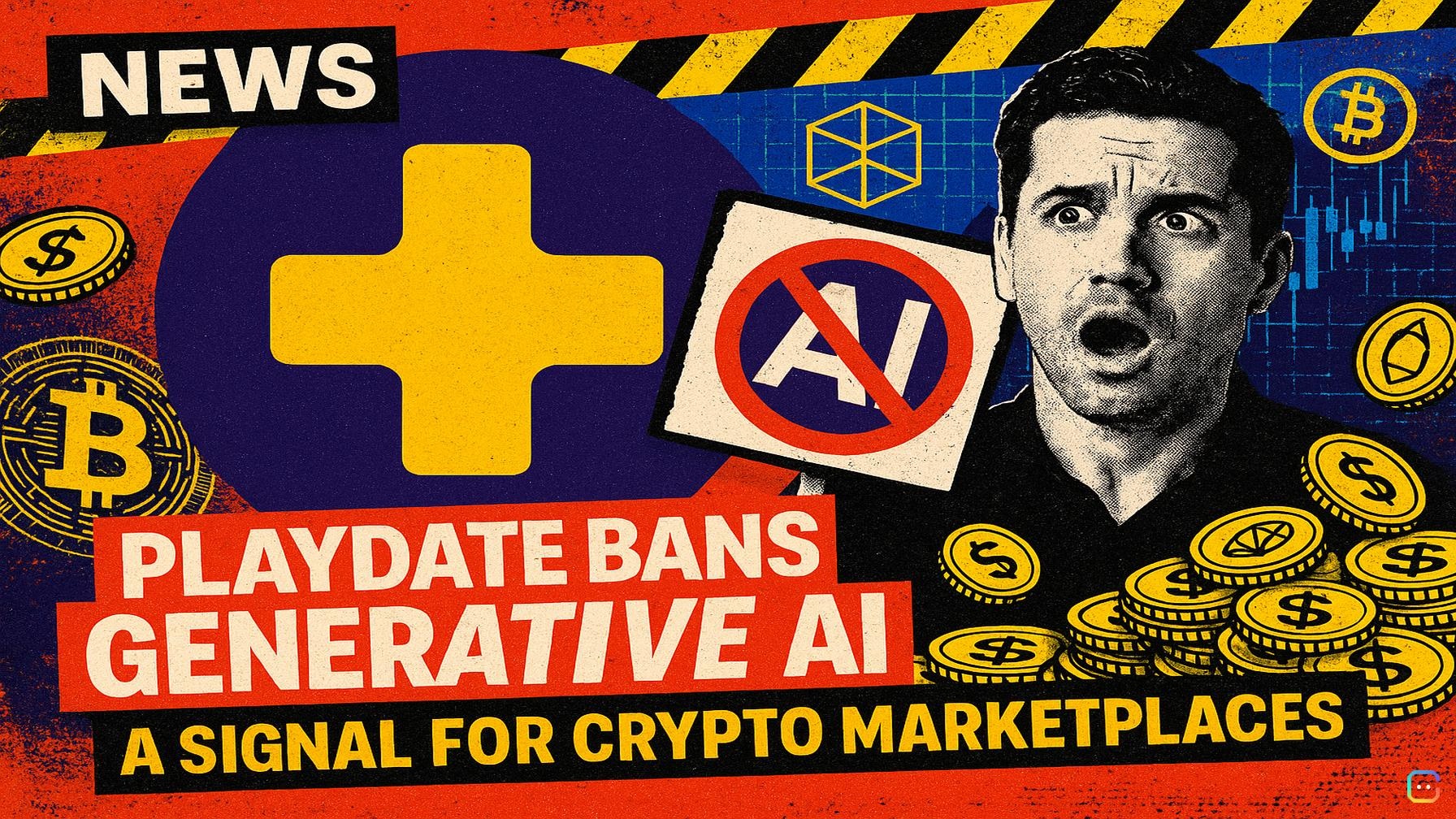
Panic, the indie studio behind the quirky Playdate handheld, has drawn a hard line on generative AI for games on its storefront — and the decision could matter to developers and platform-governance watchers across tech communities, including crypto-native marketplaces that prize provenance and trust.
What changed
- Panic updated Playdate Catalog rules to ban AI-generated creative content — art, music, and writing — in any third-party game submissions. The company says disclosure of AI use has long been required; the new rule goes further by forbidding those creative uses outright.
- Coding tools powered by AI were initially still permitted, but developers must disclose using them. That distinction between creative and technical AI use was framed as intentional by Panic.
- However, Panic confirmed in a Bluesky post that its upcoming curated Season 3, unlike Season 2, will bar any use of generative AI in titles — explicitly including code.
Why Panic acted
The policy shift follows a high-profile oversight: Wheelsprung, a game included in Playdate’s Season 2 collection, used ChatGPT and GitHub Copilot for coding and writing assistance. Panic co-founder Cabel Sasser called the lapse “naive,” admitting the team hadn’t expected a Season 2 developer to use large language models and accepted responsibility for it. Sasser told Game Developer the storefront’s disclosure requirement has always existed, but that the new ban on creative AI content is now enforced.
Panic’s positioning
Playdate — a boutique device launched in 2022 known for its black-and-white screen, fold-out crank, and indie-first library — relies on its Catalog as the primary way players discover games. Panic frames the policy as pioneering among digital game storefronts; Sasser noted that major stores like Steam, Nintendo eShop, PlayStation Store, and itch.io still permit AI-generated creative assets in listings. For Panic, the move is about quality control and community standards.
What this means
- For Playdate developers: stricter rules and disclosure requirements, and a firm no-AI mandate for Season 3 contributors.
- For the broader industry: Panic’s granular approach — distinguishing between creative and technical AI applications, then tightening rules further for its curated line — could influence how small, curated platforms balance curation, trust, and automation.
- For marketplaces with crypto-native users and creators: the Playdate case highlights the tensions between innovation and provenance, and the practical challenges of moderating AI-assisted content in niche ecosystems.
Sources: Panic statements to Game Developer and posts on Bluesky; reporting on the Wheelsprung incident.
Read more AI-generated news on: undefined/news